Buy jobcoach.eu ?
We are moving the project
jobcoach.eu .
Are you interested in purchasing the domain
jobcoach.eu ?
domain@kv-gmbh.de · 0541-91531010
Buy jobcoach.eu ?
What are semi-synthetic plastics and synthetic plastics?
Semi-synthetic plastics are materials that are derived from natural polymers, such as cellulose or starch, and then chemically modified to improve their properties. Examples of semi-synthetic plastics include cellulose acetate and rayon. On the other hand, synthetic plastics are entirely man-made materials produced from chemical reactions involving petroleum-based or other synthetic polymers. Examples of synthetic plastics include polyethylene, polypropylene, and polystyrene. Both semi-synthetic and synthetic plastics are widely used in various industries due to their versatility and durability. **
What are plastics? What are the differences between thermoplastics and thermosetting plastics?
Plastics are synthetic materials made from polymers, which are long chains of molecules. They are lightweight, durable, and can be molded into various shapes, making them ideal for a wide range of applications. The main difference between thermoplastics and thermosetting plastics lies in their response to heat. Thermoplastics can be melted and reshaped multiple times without undergoing any chemical change, while thermosetting plastics undergo a chemical reaction when heated and cannot be reshaped once they have been set. This means that thermoplastics are recyclable, while thermosetting plastics are not. **
Similar search terms for Plastics
Top-Angebote
Products related to Plastics:
-
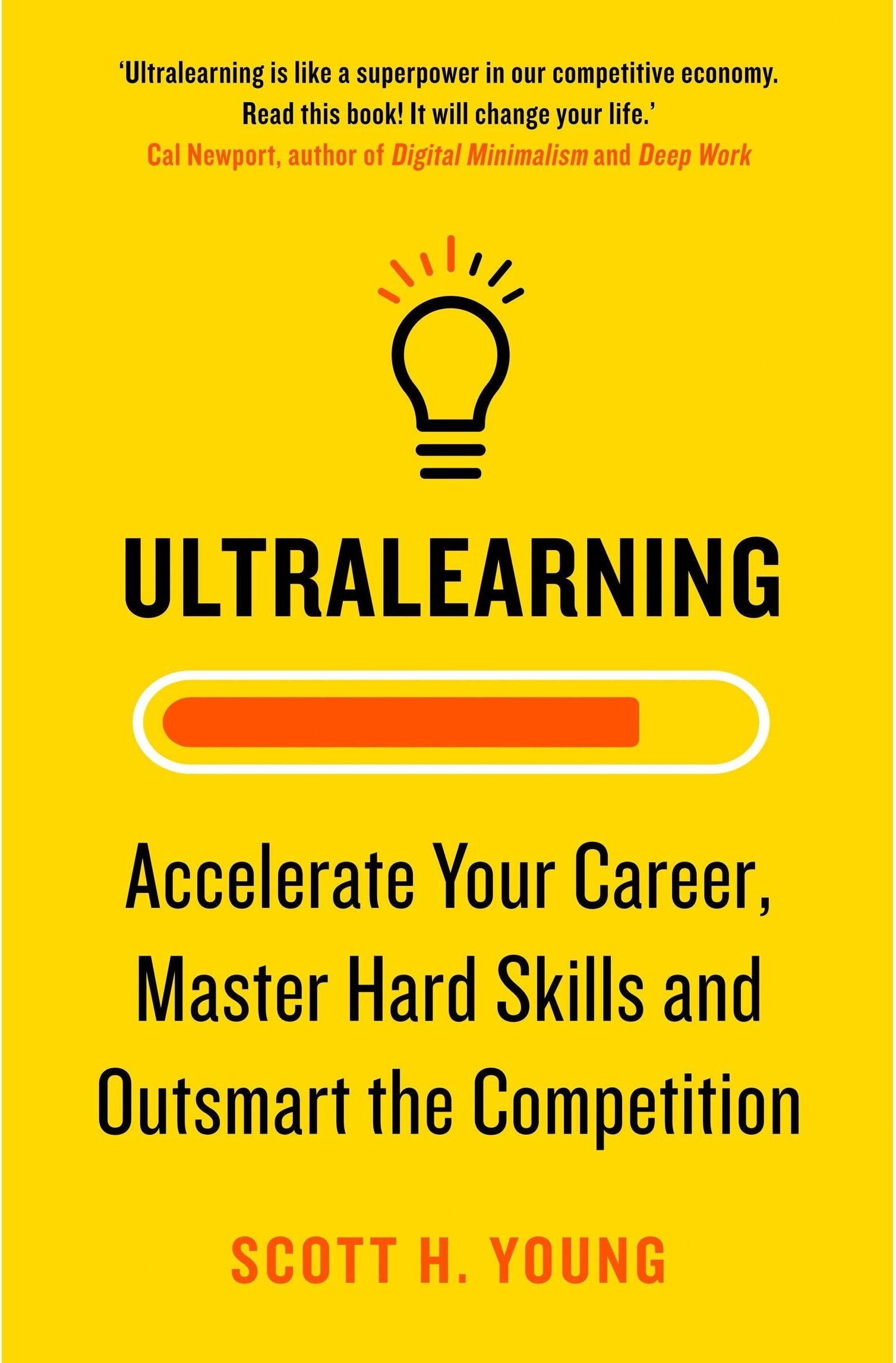
Thorsons Ultralearning: Accelerate Your Career, Master Hard Skills and Outsmart the CompetitionFuture-proof your career and maximize your competitive advantage by learning the skill necessary to stay relevant, reinvent yourself, and adapt to whatever the workplace throws your way in this essential guide. Faced with tumultuous economic times and rapid technological change, staying ahead in your career depends on continual learning―a lifelong mastery of new ideas, subjects, and skills. If you want to accomplish more and stand apart from everyone else, you need to become an ultralearner. Scott Young incorporates the latest research about the most effective learning methods and the stories of other ultralearners like himself―among them Ben Franklin, Judit Polgar, and Richard Feynman, as well as a host of others, such as little-known modern polymaths like Nigel Richards who won the World Championship of French Scrabble―without knowing French. Young documents the methods he and others have used and shows that, far from being an obscure skill limited to aggressive autodidacts, ultralearning is a powerful tool anyone can use to improve their career, studies, and life. Ultralearning explores this fascinating subculture, shares the nine principles behind every successful ultralearning project, and offers insights into how you can organize and execute a plan to learn anything deeply and quickly, without teachers or budget-busting tuition costs. Whether the goal is to be fluent in a language (or ten languages), earn the equivalent of a college degree in a fraction of the time, or master multiple skills to build a product or business from the ground up, the principles in Ultralearning will guide you to success.8,99 £*Shipping: 2,99 £Secure redirect to the provider
-
Uplift Essentials Solar Outdoor Lights Waterproof Landscape Lighting (10 Pack) plastics white LightTransform your homes curb appeal instantly with this Solar Outdoor Lights Waterproof set. Designed to bring a sophisticated and welcoming glow to your exterior spaces, these lights are the ultimate solution for Pathway, Patio, and Yard Decoration....107,97 $*Shipping: 0,00 $Secure redirect to the provider
-
Inspire Curations 3W RGB Remote Control Up Down LED Wall Light black rgb abs PlasticsTransform ordinary walls with this RGB LED wall light, designed to bring colorful atmosphere and modern style into your indoor spaces. Its upanddown lighting effect creates eyecatching patterns while adding depth to bedrooms, living rooms, gaming...73,00 $*Shipping: 0,00 $Secure redirect to the provider
-
Playful Picks Montessori Hedgehog Color Sorting Educational Toddler Toy For Fine Motor Skills Development Montessori Hedgehog Color Sorting Educational Toddler Toy For Fine Motor Skills DevelopmentTurn early learning into a joyful daily adventure with a toy designed to spark curiosity and growth. The Montessori hedgehog toy is thoughtfully created for toddlers aged 13, helping them explore colors, counting, and coordination through handson...24,97 $*Shipping: 0,00 $Secure redirect to the provider



-
How are plastics properly explained?
Plastics are typically explained as synthetic materials made from polymers, which are long chains of molecules. These polymers can be molded and shaped into a wide variety of products, making plastics versatile and useful in many industries. Plastics are further categorized based on their properties, such as thermoplastics and thermosetting plastics, which determine their behavior when exposed to heat. Understanding the composition, properties, and uses of plastics is essential for proper explanation and utilization of these materials in various applications. **
-
What are plastics in chemistry?
Plastics are a group of synthetic materials made from polymers, which are long chains of molecules. These polymers are derived from petrochemicals and can be molded into various shapes and forms. Plastics are versatile materials that are used in a wide range of applications due to their durability, lightweight, and low cost. However, their non-biodegradable nature has led to environmental concerns regarding their disposal and impact on ecosystems. **
-
How can one represent plastics?
Plastics can be represented in various ways, such as through visual images, physical samples, or data charts. Visual representations can include photographs or illustrations of plastic products, manufacturing processes, or environmental impacts. Physical samples of different types of plastics can be used to demonstrate their properties and applications. Data charts and graphs can also be used to represent information about plastic production, consumption, recycling rates, and environmental effects. Overall, representing plastics effectively involves using a combination of visual, physical, and data-driven methods to convey information about this versatile and widely used material. **
-
How do you remove plastics?
To remove plastics, you can start by reducing your use of single-use plastics and opting for reusable alternatives. You can also recycle any plastic items that you no longer need by sorting them and placing them in the appropriate recycling bins. Additionally, participating in beach or community clean-up events can help remove plastics from the environment. Finally, supporting policies and initiatives that aim to reduce plastic pollution can also contribute to the removal of plastics from the environment. **


What is approximately recyclable in plastics?
Approximately 9% of all plastic ever produced has been recycled. This low percentage is due to various factors such as contamination, lack of recycling infrastructure, and the complexity of sorting different types of plastics. However, advancements in technology and increased awareness about the importance of recycling are helping to improve these rates. It is important for individuals and businesses to continue to prioritize recycling plastics to reduce waste and protect the environment. **
How do plastics change their properties?
Plastics can change their properties through processes such as heating, cooling, or adding additives. For example, heating can make plastics more malleable and easier to shape, while cooling can make them harder and more rigid. Additives like plasticizers can also be used to alter properties such as flexibility and durability. Overall, the properties of plastics can be manipulated to suit different applications and requirements. **
Top-Angebote
Products related to Plastics:
-
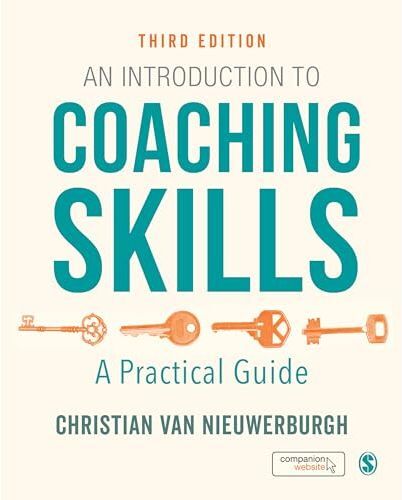
SAGE Publications An Introduction to Coaching Skills: A Practical GuideTo access the exclusive SAGE Videos, please see the code and instructions on the inside front cover of your textbook. If you have purchased the eBook from Amazon or another online retailer, please visit the book′s online resource site to contact SAGE, and we will assist further. This bestselling book introduces you step-by-step to the key skills needed to become a successful coach. Supported by an Online Resource site with over 70 videos of coaching in action, this practical book will be an invaluable resource for novices and trainee coaches.19,49 £*Shipping: 2,99 £Secure redirect to the provider
-
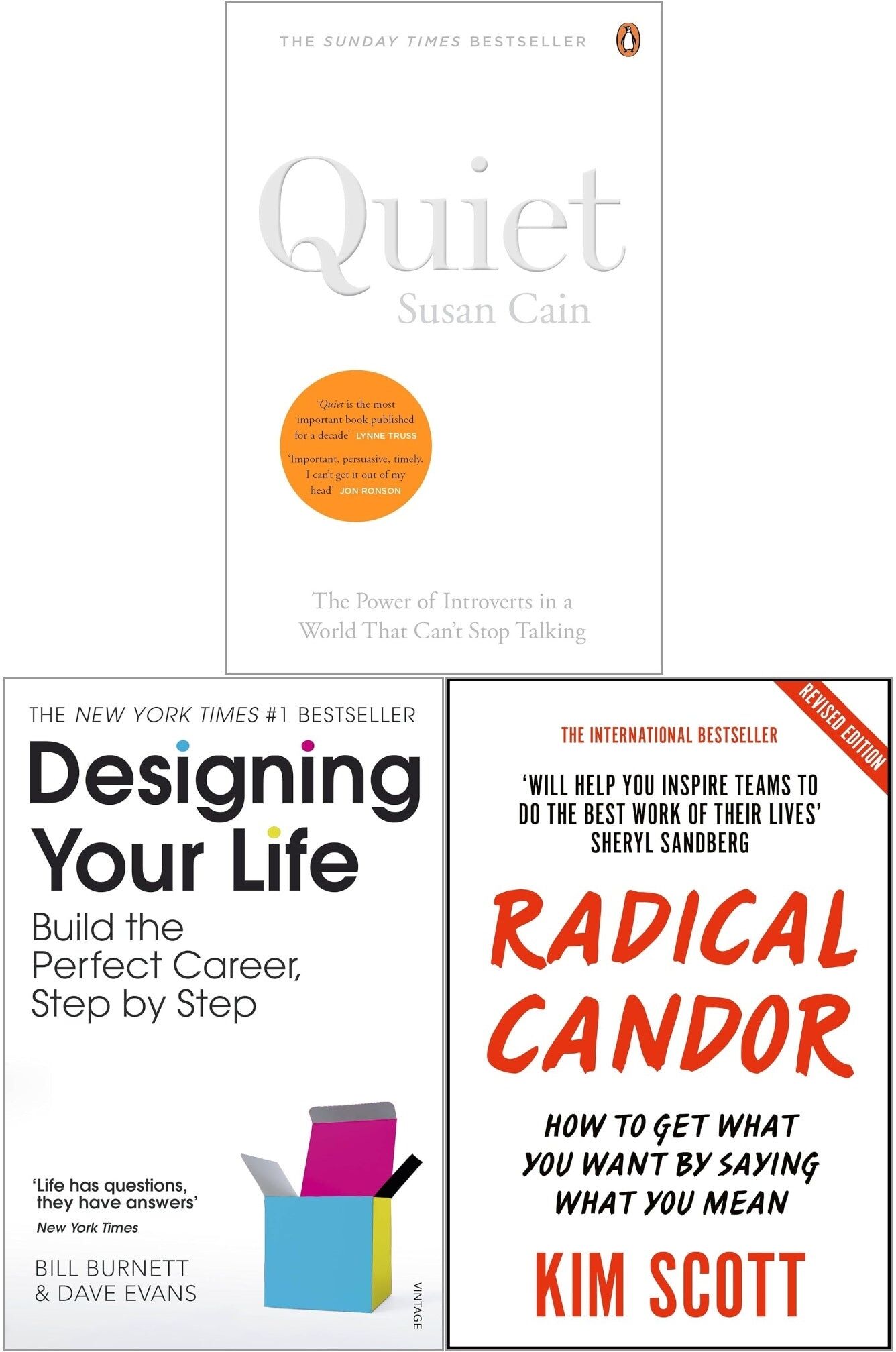
Penguin/Pan Macmillan Designing Your Life, Radical Candor and Quiet 3 Books Collection Set Personal Development, Leadership, Career Success & Self ImprovementDesigning Your Life, Radical Candor and Quiet 3 Books Collection Set Designing Your Life by Bill Burnett & Dave Evans Stanford innovators Bill Burnett and Dave Evans show us how design thinking can help us create a life that is both meaningful and fulfilling, regardless of who and where we are, our careers and our age. Designing Your Life puts forward the idea that the same design thinking responsible for amazing technology, products and spaces can be used to build towards a better life and career by a design of your own making. Radical Candor by Kim Scott Radical Candor by Kim Scott is a groundbreaking leadership and communication guide that teaches how to give feedback effectively, build trust, and create high-performing teams without becoming harsh—or avoiding difficult conversations. Based on Scott’s experience at Google, Apple and Silicon Valley startups, Radical Candor introduces a simple but powerful framework built on two pillars: Care Personally Challenge Directly The book provides practical tools for giving honest feedback, fostering open communication, strengthening working relationships, and becoming a more compassionate and impactful leader. Quiet by Susan Cain Quiet, the Sunday Times and New York Times Bestseller by Susan Cain, will permanently change how we see introverts - and how you see yourself. Our lives are driven by a fact most of us cant name and dont understand: whether were an introvert or an extrovert. This defines who our friends and lovers are, which careers we choose, and whether we blush when were embarrassed. At least a third of us are on the introverted side. Some of the worlds most talented people are introverts. Without them, we wouldnt have the Apple computer, the theory of relativity and Van Goghs sunflowers.16,99 £*Shipping: 2,99 £Secure redirect to the provider
-
Thorsons Ultralearning: Accelerate Your Career, Master Hard Skills and Outsmart the CompetitionFuture-proof your career and maximize your competitive advantage by learning the skill necessary to stay relevant, reinvent yourself, and adapt to whatever the workplace throws your way in this essential guide. Faced with tumultuous economic times and rapid technological change, staying ahead in your career depends on continual learning―a lifelong mastery of new ideas, subjects, and skills. If you want to accomplish more and stand apart from everyone else, you need to become an ultralearner. Scott Young incorporates the latest research about the most effective learning methods and the stories of other ultralearners like himself―among them Ben Franklin, Judit Polgar, and Richard Feynman, as well as a host of others, such as little-known modern polymaths like Nigel Richards who won the World Championship of French Scrabble―without knowing French. Young documents the methods he and others have used and shows that, far from being an obscure skill limited to aggressive autodidacts, ultralearning is a powerful tool anyone can use to improve their career, studies, and life. Ultralearning explores this fascinating subculture, shares the nine principles behind every successful ultralearning project, and offers insights into how you can organize and execute a plan to learn anything deeply and quickly, without teachers or budget-busting tuition costs. Whether the goal is to be fluent in a language (or ten languages), earn the equivalent of a college degree in a fraction of the time, or master multiple skills to build a product or business from the ground up, the principles in Ultralearning will guide you to success.8,99 £*Shipping: 2,99 £Secure redirect to the provider
-
Uplift Essentials Solar Outdoor Lights Waterproof Landscape Lighting (10 Pack) plastics white LightTransform your homes curb appeal instantly with this Solar Outdoor Lights Waterproof set. Designed to bring a sophisticated and welcoming glow to your exterior spaces, these lights are the ultimate solution for Pathway, Patio, and Yard Decoration....107,97 $*Shipping: 0,00 $Secure redirect to the provider
-
What are semi-synthetic plastics and synthetic plastics?
Semi-synthetic plastics are materials that are derived from natural polymers, such as cellulose or starch, and then chemically modified to improve their properties. Examples of semi-synthetic plastics include cellulose acetate and rayon. On the other hand, synthetic plastics are entirely man-made materials produced from chemical reactions involving petroleum-based or other synthetic polymers. Examples of synthetic plastics include polyethylene, polypropylene, and polystyrene. Both semi-synthetic and synthetic plastics are widely used in various industries due to their versatility and durability. **
-
What are plastics? What are the differences between thermoplastics and thermosetting plastics?
Plastics are synthetic materials made from polymers, which are long chains of molecules. They are lightweight, durable, and can be molded into various shapes, making them ideal for a wide range of applications. The main difference between thermoplastics and thermosetting plastics lies in their response to heat. Thermoplastics can be melted and reshaped multiple times without undergoing any chemical change, while thermosetting plastics undergo a chemical reaction when heated and cannot be reshaped once they have been set. This means that thermoplastics are recyclable, while thermosetting plastics are not. **
-
How are plastics properly explained?
Plastics are typically explained as synthetic materials made from polymers, which are long chains of molecules. These polymers can be molded and shaped into a wide variety of products, making plastics versatile and useful in many industries. Plastics are further categorized based on their properties, such as thermoplastics and thermosetting plastics, which determine their behavior when exposed to heat. Understanding the composition, properties, and uses of plastics is essential for proper explanation and utilization of these materials in various applications. **
-
What are plastics in chemistry?
Plastics are a group of synthetic materials made from polymers, which are long chains of molecules. These polymers are derived from petrochemicals and can be molded into various shapes and forms. Plastics are versatile materials that are used in a wide range of applications due to their durability, lightweight, and low cost. However, their non-biodegradable nature has led to environmental concerns regarding their disposal and impact on ecosystems. **
Similar search terms for Plastics
-
Inspire Curations 3W RGB Remote Control Up Down LED Wall Light black rgb abs PlasticsTransform ordinary walls with this RGB LED wall light, designed to bring colorful atmosphere and modern style into your indoor spaces. Its upanddown lighting effect creates eyecatching patterns while adding depth to bedrooms, living rooms, gaming...73,00 $*Shipping: 0,00 $Secure redirect to the provider
-
Playful Picks Montessori Hedgehog Color Sorting Educational Toddler Toy For Fine Motor Skills Development Montessori Hedgehog Color Sorting Educational Toddler Toy For Fine Motor Skills DevelopmentTurn early learning into a joyful daily adventure with a toy designed to spark curiosity and growth. The Montessori hedgehog toy is thoughtfully created for toddlers aged 13, helping them explore colors, counting, and coordination through handson...24,97 $*Shipping: 0,00 $Secure redirect to the provider
-
Tiny Tots Teens Trends Montessori Educational Toy, Hedgehog Fine Motor Skills, Toddler Counting, Sensory Development Montessori Educational Toy, Hedgehog Fine Motor Skills, Toddler Counting, Sensory DevelopmentHedgehog Montessori Educational Toy is a delightful and engaging learning tool designed to help toddlers develop essential fine motor skills, improve their concentration, and enhance sensory development. This toy promotes handson learning through...59,97 $*Shipping: 0,00 $Secure redirect to the provider
-
Lush Living Finds Pulp Plastics Paper Snowflake Ornaments, White Glitter Raw Decor, Christmas Venue Decoration white 12pcsTransform your festive setup with these elegant 12Pcs White Glitter Raw Pulp Plastics Paper Snowflake ornaments. Designed to bring a magical winter feel to any space, these delicate snowflakes offer a charming blend of sparkle, texture, and seasonal...31,97 $*Shipping: 0,00 $Secure redirect to the provider
-
How can one represent plastics?
Plastics can be represented in various ways, such as through visual images, physical samples, or data charts. Visual representations can include photographs or illustrations of plastic products, manufacturing processes, or environmental impacts. Physical samples of different types of plastics can be used to demonstrate their properties and applications. Data charts and graphs can also be used to represent information about plastic production, consumption, recycling rates, and environmental effects. Overall, representing plastics effectively involves using a combination of visual, physical, and data-driven methods to convey information about this versatile and widely used material. **
-
How do you remove plastics?
To remove plastics, you can start by reducing your use of single-use plastics and opting for reusable alternatives. You can also recycle any plastic items that you no longer need by sorting them and placing them in the appropriate recycling bins. Additionally, participating in beach or community clean-up events can help remove plastics from the environment. Finally, supporting policies and initiatives that aim to reduce plastic pollution can also contribute to the removal of plastics from the environment. **
-
What is approximately recyclable in plastics?
Approximately 9% of all plastic ever produced has been recycled. This low percentage is due to various factors such as contamination, lack of recycling infrastructure, and the complexity of sorting different types of plastics. However, advancements in technology and increased awareness about the importance of recycling are helping to improve these rates. It is important for individuals and businesses to continue to prioritize recycling plastics to reduce waste and protect the environment. **
-
How do plastics change their properties?
Plastics can change their properties through processes such as heating, cooling, or adding additives. For example, heating can make plastics more malleable and easier to shape, while cooling can make them harder and more rigid. Additives like plasticizers can also be used to alter properties such as flexibility and durability. Overall, the properties of plastics can be manipulated to suit different applications and requirements. **
* All prices are inclusive of VAT and, if applicable, plus shipping costs. The offer information is based on the details provided by the respective shop and is updated through automated processes. Real-time updates do not occur, so deviations can occur in individual cases. ** Note: Parts of this content were created by AI.