Buy jobcoach.eu ?
We are moving the project
jobcoach.eu .
Are you interested in purchasing the domain
jobcoach.eu ?
domain@kv-gmbh.de · 0541-91531010
Buy jobcoach.eu ?
What skills can humans develop?
Humans can develop a wide range of skills, including cognitive skills such as critical thinking, problem-solving, and decision-making. They can also develop social and emotional skills such as empathy, communication, and conflict resolution. Additionally, humans can develop physical skills such as coordination, strength, and agility through practice and training. Overall, humans have the capacity to continually learn and improve their skills throughout their lives. **
When did the development of humans begin?
The development of humans began around 2.5 million years ago with the emergence of the genus Homo. **
Similar search terms for Humans
Top-Angebote
Products related to Humans:
-
Canongate Books Humans: An A-Z by Matt HaigHumans An A-Z Humorous story book by Matt Haig. Book explains Human stories, Human habits and humour collection Book. Whether you are planning a high level of human interaction or just a casual visit to the planet, this user-guide to the human race will help you translate their sayings, understand exotic concepts such as democracy and sofas, and make sense of their habits and bizarre customs. A phrase book, a dictionary and a survival guide, this book unravels all the oddness, idiosyncrasies and wonder of the species, allowing everyone to make the most of their time on Earth.4,98 £*Shipping: 1,99 £Secure redirect to the provider
-
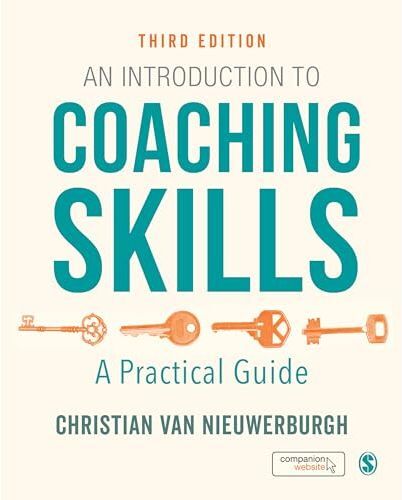
SAGE Publications An Introduction to Coaching Skills: A Practical GuideTo access the exclusive SAGE Videos, please see the code and instructions on the inside front cover of your textbook. If you have purchased the eBook from Amazon or another online retailer, please visit the book′s online resource site to contact SAGE, and we will assist further. This bestselling book introduces you step-by-step to the key skills needed to become a successful coach. Supported by an Online Resource site with over 70 videos of coaching in action, this practical book will be an invaluable resource for novices and trainee coaches.19,49 £*Shipping: 2,99 £Secure redirect to the provider
-
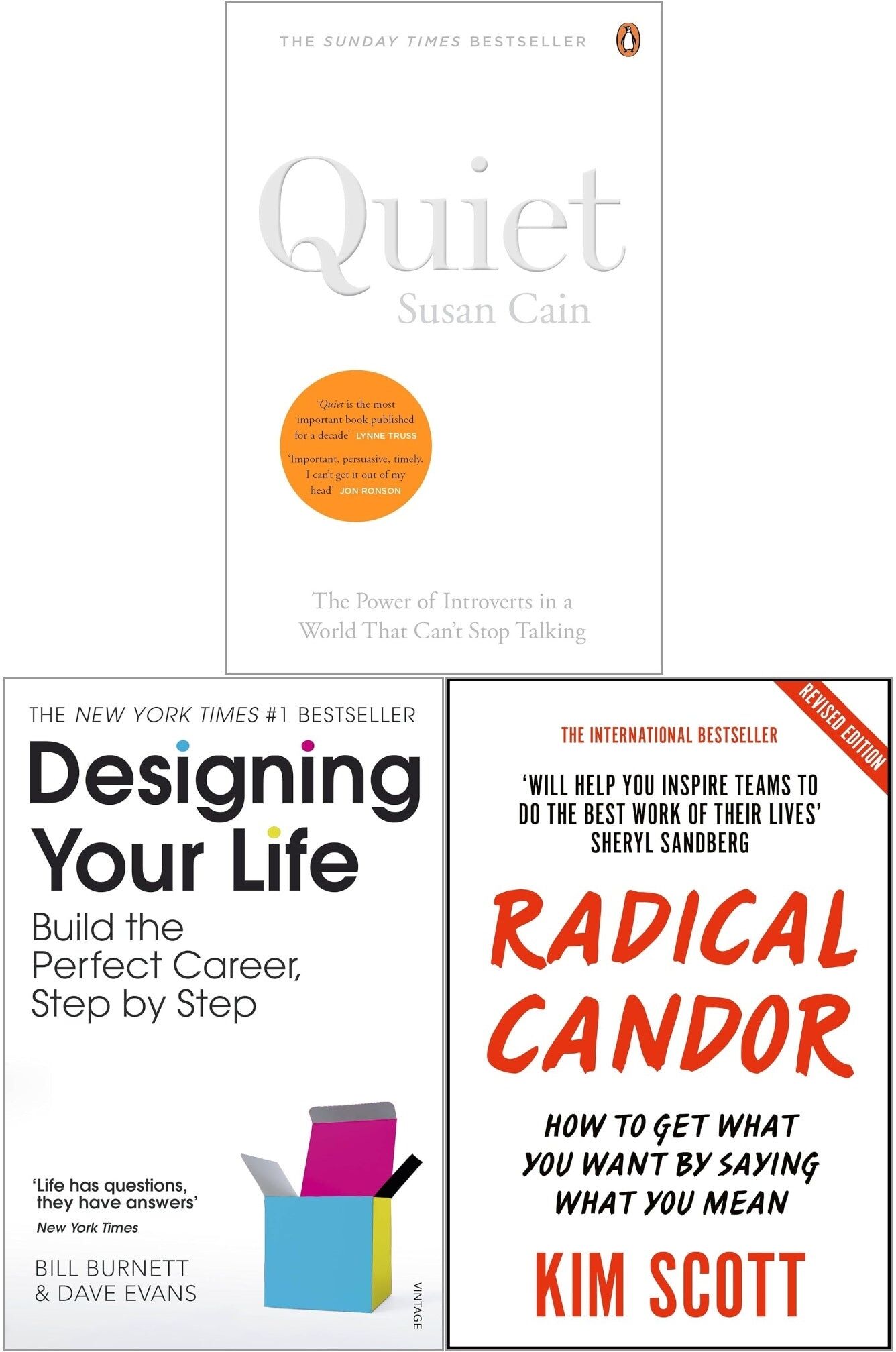
Penguin/Pan Macmillan Designing Your Life, Radical Candor and Quiet 3 Books Collection Set Personal Development, Leadership, Career Success & Self ImprovementDesigning Your Life, Radical Candor and Quiet 3 Books Collection Set Designing Your Life by Bill Burnett & Dave Evans Stanford innovators Bill Burnett and Dave Evans show us how design thinking can help us create a life that is both meaningful and fulfilling, regardless of who and where we are, our careers and our age. Designing Your Life puts forward the idea that the same design thinking responsible for amazing technology, products and spaces can be used to build towards a better life and career by a design of your own making. Radical Candor by Kim Scott Radical Candor by Kim Scott is a groundbreaking leadership and communication guide that teaches how to give feedback effectively, build trust, and create high-performing teams without becoming harsh—or avoiding difficult conversations. Based on Scott’s experience at Google, Apple and Silicon Valley startups, Radical Candor introduces a simple but powerful framework built on two pillars: Care Personally Challenge Directly The book provides practical tools for giving honest feedback, fostering open communication, strengthening working relationships, and becoming a more compassionate and impactful leader. Quiet by Susan Cain Quiet, the Sunday Times and New York Times Bestseller by Susan Cain, will permanently change how we see introverts - and how you see yourself. Our lives are driven by a fact most of us cant name and dont understand: whether were an introvert or an extrovert. This defines who our friends and lovers are, which careers we choose, and whether we blush when were embarrassed. At least a third of us are on the introverted side. Some of the worlds most talented people are introverts. Without them, we wouldnt have the Apple computer, the theory of relativity and Van Goghs sunflowers.16,99 £*Shipping: 2,99 £Secure redirect to the provider
-
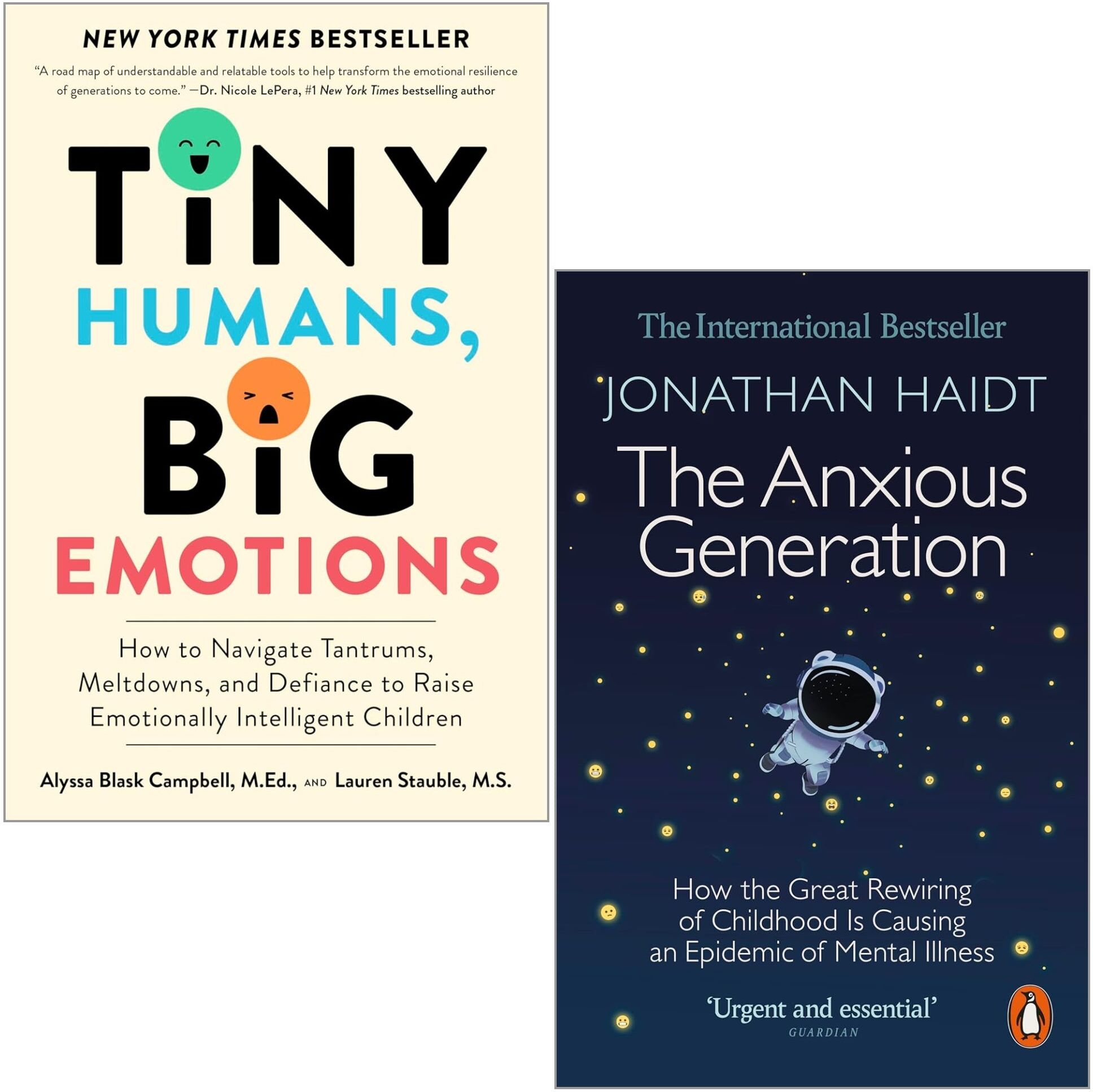
Harvent/Penguin Tiny Humans, Big Emotions and The Anxious Generation 2 Books Collection SetTiny Humans, Big Emotions and The Anxious Generation 2 Books Collection Set Tiny Humans, Big Emotions by Alyssa Blask Campbell, Lauren Elizabeth Stauble The Future is Emotionally Intelligent From two early childhood experts, an essential parenting guide for toddler behavior that empowers parents to help their little ones navigate their big feelings—including tantrums, outbursts, and separation anxiety—while laying the groundwork for a lifetime of emotional intelligence. We’re in the midst of a parenting revolution that is radically changing the way we raise our kids. Gone are the days of minimizing emotions: Don’t Cry. You’re Fine. Don’t Make a Scene. As our understanding of developing brains has increased, today’s parents are embracing conscious parenting and looking for a new way to help their children understand their feelings and learn to process them. The Anxious Generation by Jonathan Haidt Acclaimed psychologist Jonathan Haidt reveals how the decline of free-play in childhood and the rise of smartphone use among adolescents is changing our world From 2010, as teens traded in their flip phones for smartphones packed with social media apps, unsupervised time online soared while face-to-face conversations with friends and family plummeted, and so did mental health. This profound shift took place against a backdrop of diminishing childhood freedom and over-supervision in the real world, depriving children of the experiences they most need to become strong and self-governing adults.14,99 £*Shipping: 2,99 £Secure redirect to the provider

-
Is the development of AI a danger to humans?
The development of AI does pose potential dangers to humans if not carefully managed. AI systems have the potential to be used for malicious purposes, such as cyber attacks or autonomous weapons. There is also the risk of AI systems making decisions that could harm humans if not properly programmed or supervised. However, with proper regulation and ethical considerations, the development of AI can also bring about significant benefits to society. It is important for researchers, developers, and policymakers to work together to ensure that AI is developed and used in a way that prioritizes human safety and well-being. **
-
Are humans a success model of evolution or a failure?
Humans can be seen as a success model of evolution due to our ability to adapt and thrive in diverse environments, develop complex societies, and advance technologically. However, some may argue that our impact on the environment and other species, as well as our propensity for conflict and destruction, make us a failure in the context of evolution. Ultimately, the answer to this question may depend on one's perspective and the criteria used to evaluate success in evolution. **
-
Are prehistoric humans considered humans?
Yes, prehistoric humans are considered to be early members of the Homo genus, which includes modern humans (Homo sapiens). While they may have had different physical characteristics and lived in different time periods, they are still classified as part of the same evolutionary lineage as modern humans. Prehistoric humans were capable of using tools, creating art, and engaging in complex social behaviors, indicating their human-like cognitive abilities. **
-
Should humans return to nature and give up technological progress?
While it is important to maintain a connection with nature, completely giving up technological progress may not be feasible or beneficial. Technology has improved our quality of life in many ways, from advancements in medicine to increased communication and access to information. However, finding a balance between technological progress and a sustainable relationship with nature is crucial for the well-being of both humans and the planet. It is possible to embrace technology while also prioritizing environmental conservation and sustainable living practices. **

Does medical and technological progress prevent the evolution of humans?
Medical and technological progress do not prevent the evolution of humans, but they may influence the direction and pace of evolution. While advancements in medicine and technology have allowed humans to overcome many environmental challenges and live longer, they have also introduced new selective pressures that could potentially drive evolutionary changes. Additionally, the ability to manipulate our own genetics through technologies like CRISPR could potentially lead to intentional changes in the human genome. Overall, medical and technological progress may shape the future of human evolution, but they do not necessarily prevent it. **
What disadvantages and dangers are associated with technological development for humans?
Technological development can lead to job displacement as automation replaces human workers, resulting in unemployment and economic instability. Additionally, overreliance on technology can lead to a decrease in critical thinking skills and social interactions, potentially impacting mental and emotional well-being. There are also concerns about privacy and security breaches, as advancements in technology can make personal information more vulnerable to hacking and misuse. **
Top-Angebote
Products related to Humans:
-
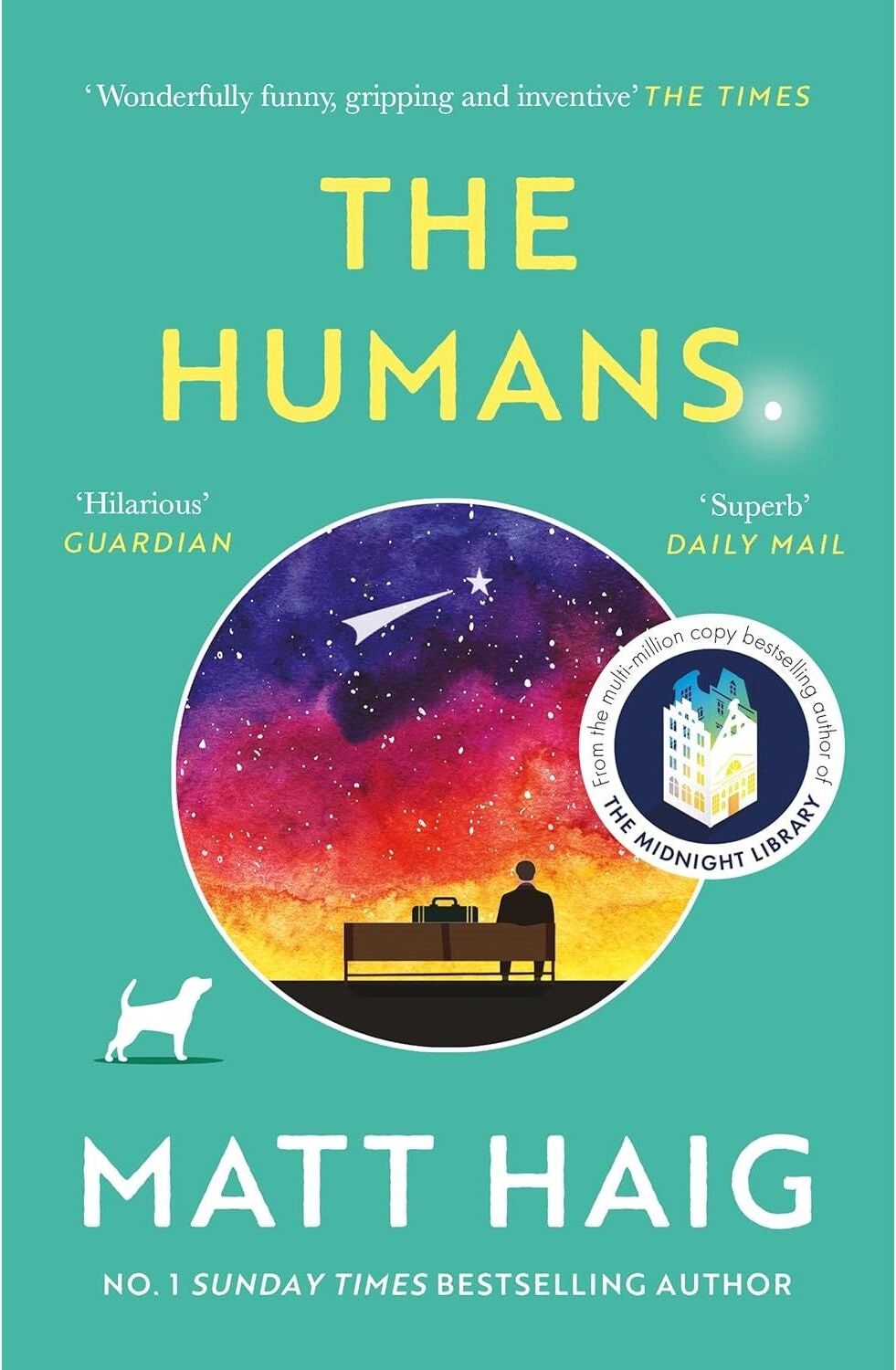
Canongate Books The Humans by Matt HaigTHERE'S NO PLACE LIKE HOME. OR IS THERE? After an 'incident' one wet Friday night where he is found walking naked through the streets of Cambridge; Professor Andrew Martin is not feeling quite himself. Food sickens him. Clothes confound him. Even his loving wife and teenage son are repulsive to him. He feels lost amongst an alien species and hates everyone on the planet. Everyone; that is; except Newton; and he's a dog. Who is he really? And what could make someone change their mind about the human race . . . ?3,99 £*Shipping: 1,99 £Secure redirect to the provider
-
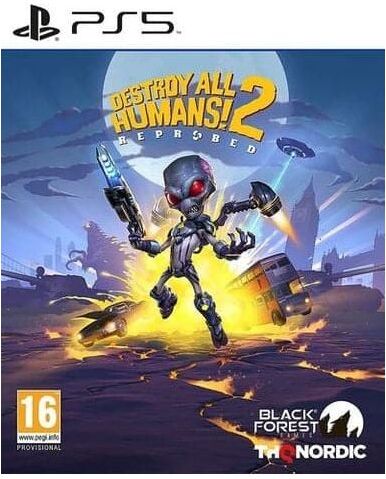
playstation Destroy All Humans! 2 Reprobed PS5 Game, NewThe alien invader returns, groovier than ever. Experience the swinging '60s in all its chemical-induced glory and take revenge on the KGB for blowing up your mothership. You'll have to form alliances with members of the very species you came to enslave. Show those hippies who is the boss using classic weapons and new technology like the Meteor Shower. Explore 1960's Mother Earth and unload your trusty saucer all over her fictional cities. Defend a much larger, much more open world from those who seek to undermine your mission. Hoover up humans from different countries and grind them up into DNA cocktails to upgrade your skills. Invite a friend over for a twosome and enjoy the full story in local 2-player split screen co-op. Release date: 30 August 2022. Game disc. For ages 16 years and over. This game is classified as certificate 16. It contains content unsuitable for persons under 16 years old. It is illegal to supply it to anyone under that age. DO NOT attempt to purchase the item if you are under 16. PS5 compatible. EAN: 9120080077356.20,00 £*Shipping: 0,00 £Secure redirect to the provider
-
Canongate Books Humans: An A-Z by Matt HaigHumans An A-Z Humorous story book by Matt Haig. Book explains Human stories, Human habits and humour collection Book. Whether you are planning a high level of human interaction or just a casual visit to the planet, this user-guide to the human race will help you translate their sayings, understand exotic concepts such as democracy and sofas, and make sense of their habits and bizarre customs. A phrase book, a dictionary and a survival guide, this book unravels all the oddness, idiosyncrasies and wonder of the species, allowing everyone to make the most of their time on Earth.4,98 £*Shipping: 1,99 £Secure redirect to the provider
-
SAGE Publications An Introduction to Coaching Skills: A Practical GuideTo access the exclusive SAGE Videos, please see the code and instructions on the inside front cover of your textbook. If you have purchased the eBook from Amazon or another online retailer, please visit the book′s online resource site to contact SAGE, and we will assist further. This bestselling book introduces you step-by-step to the key skills needed to become a successful coach. Supported by an Online Resource site with over 70 videos of coaching in action, this practical book will be an invaluable resource for novices and trainee coaches.19,49 £*Shipping: 2,99 £Secure redirect to the provider
-
What skills can humans develop?
Humans can develop a wide range of skills, including cognitive skills such as critical thinking, problem-solving, and decision-making. They can also develop social and emotional skills such as empathy, communication, and conflict resolution. Additionally, humans can develop physical skills such as coordination, strength, and agility through practice and training. Overall, humans have the capacity to continually learn and improve their skills throughout their lives. **
-
When did the development of humans begin?
The development of humans began around 2.5 million years ago with the emergence of the genus Homo. **
-
Is the development of AI a danger to humans?
The development of AI does pose potential dangers to humans if not carefully managed. AI systems have the potential to be used for malicious purposes, such as cyber attacks or autonomous weapons. There is also the risk of AI systems making decisions that could harm humans if not properly programmed or supervised. However, with proper regulation and ethical considerations, the development of AI can also bring about significant benefits to society. It is important for researchers, developers, and policymakers to work together to ensure that AI is developed and used in a way that prioritizes human safety and well-being. **
-
Are humans a success model of evolution or a failure?
Humans can be seen as a success model of evolution due to our ability to adapt and thrive in diverse environments, develop complex societies, and advance technologically. However, some may argue that our impact on the environment and other species, as well as our propensity for conflict and destruction, make us a failure in the context of evolution. Ultimately, the answer to this question may depend on one's perspective and the criteria used to evaluate success in evolution. **
Similar search terms for Humans
-
Penguin/Pan Macmillan Designing Your Life, Radical Candor and Quiet 3 Books Collection Set Personal Development, Leadership, Career Success & Self ImprovementDesigning Your Life, Radical Candor and Quiet 3 Books Collection Set Designing Your Life by Bill Burnett & Dave Evans Stanford innovators Bill Burnett and Dave Evans show us how design thinking can help us create a life that is both meaningful and fulfilling, regardless of who and where we are, our careers and our age. Designing Your Life puts forward the idea that the same design thinking responsible for amazing technology, products and spaces can be used to build towards a better life and career by a design of your own making. Radical Candor by Kim Scott Radical Candor by Kim Scott is a groundbreaking leadership and communication guide that teaches how to give feedback effectively, build trust, and create high-performing teams without becoming harsh—or avoiding difficult conversations. Based on Scott’s experience at Google, Apple and Silicon Valley startups, Radical Candor introduces a simple but powerful framework built on two pillars: Care Personally Challenge Directly The book provides practical tools for giving honest feedback, fostering open communication, strengthening working relationships, and becoming a more compassionate and impactful leader. Quiet by Susan Cain Quiet, the Sunday Times and New York Times Bestseller by Susan Cain, will permanently change how we see introverts - and how you see yourself. Our lives are driven by a fact most of us cant name and dont understand: whether were an introvert or an extrovert. This defines who our friends and lovers are, which careers we choose, and whether we blush when were embarrassed. At least a third of us are on the introverted side. Some of the worlds most talented people are introverts. Without them, we wouldnt have the Apple computer, the theory of relativity and Van Goghs sunflowers.16,99 £*Shipping: 2,99 £Secure redirect to the provider
-
Harvent/Penguin Tiny Humans, Big Emotions and The Anxious Generation 2 Books Collection SetTiny Humans, Big Emotions and The Anxious Generation 2 Books Collection Set Tiny Humans, Big Emotions by Alyssa Blask Campbell, Lauren Elizabeth Stauble The Future is Emotionally Intelligent From two early childhood experts, an essential parenting guide for toddler behavior that empowers parents to help their little ones navigate their big feelings—including tantrums, outbursts, and separation anxiety—while laying the groundwork for a lifetime of emotional intelligence. We’re in the midst of a parenting revolution that is radically changing the way we raise our kids. Gone are the days of minimizing emotions: Don’t Cry. You’re Fine. Don’t Make a Scene. As our understanding of developing brains has increased, today’s parents are embracing conscious parenting and looking for a new way to help their children understand their feelings and learn to process them. The Anxious Generation by Jonathan Haidt Acclaimed psychologist Jonathan Haidt reveals how the decline of free-play in childhood and the rise of smartphone use among adolescents is changing our world From 2010, as teens traded in their flip phones for smartphones packed with social media apps, unsupervised time online soared while face-to-face conversations with friends and family plummeted, and so did mental health. This profound shift took place against a backdrop of diminishing childhood freedom and over-supervision in the real world, depriving children of the experiences they most need to become strong and self-governing adults.14,99 £*Shipping: 2,99 £Secure redirect to the provider
-
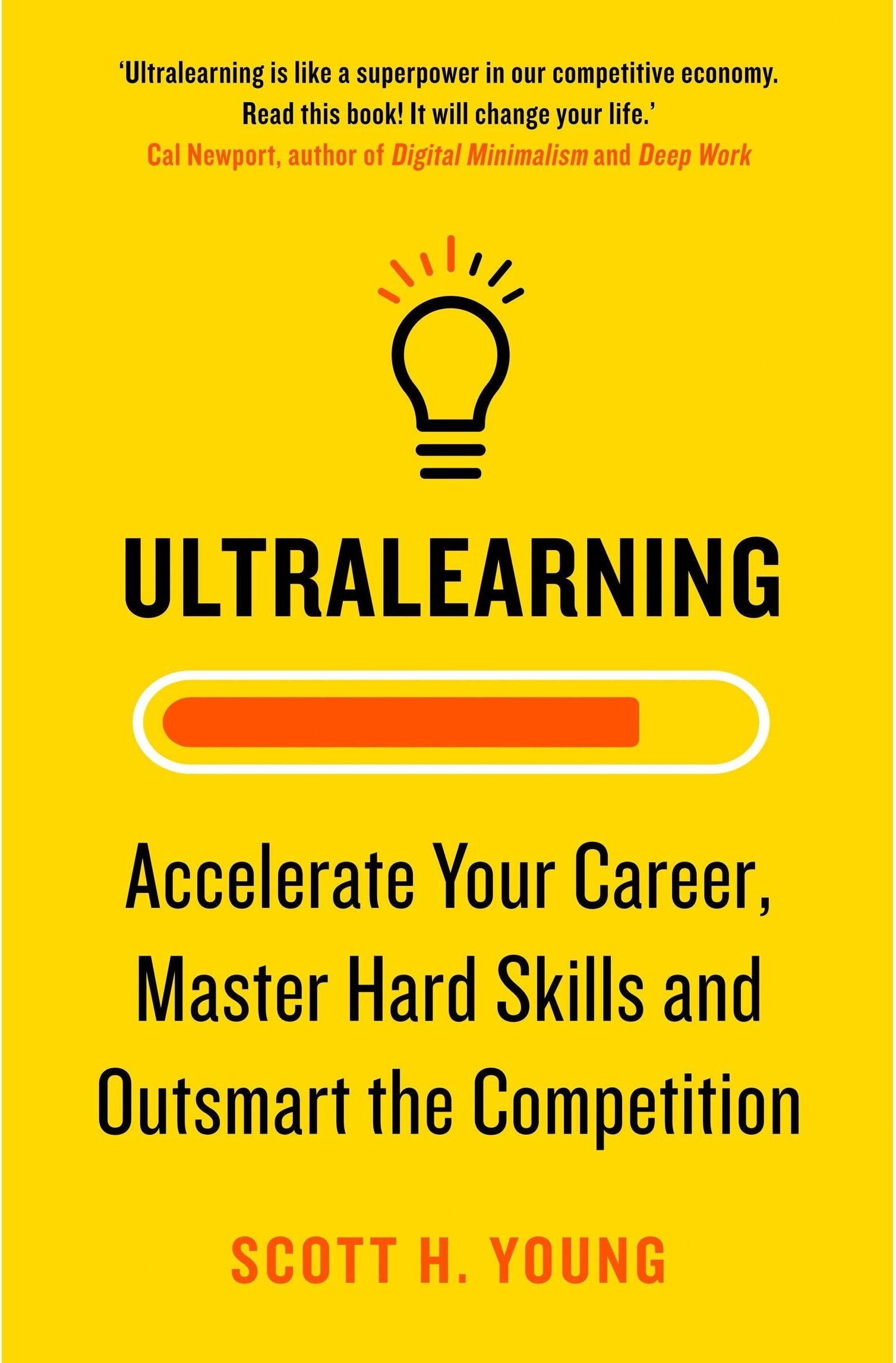
Thorsons Ultralearning: Accelerate Your Career, Master Hard Skills and Outsmart the CompetitionFuture-proof your career and maximize your competitive advantage by learning the skill necessary to stay relevant, reinvent yourself, and adapt to whatever the workplace throws your way in this essential guide. Faced with tumultuous economic times and rapid technological change, staying ahead in your career depends on continual learning―a lifelong mastery of new ideas, subjects, and skills. If you want to accomplish more and stand apart from everyone else, you need to become an ultralearner. Scott Young incorporates the latest research about the most effective learning methods and the stories of other ultralearners like himself―among them Ben Franklin, Judit Polgar, and Richard Feynman, as well as a host of others, such as little-known modern polymaths like Nigel Richards who won the World Championship of French Scrabble―without knowing French. Young documents the methods he and others have used and shows that, far from being an obscure skill limited to aggressive autodidacts, ultralearning is a powerful tool anyone can use to improve their career, studies, and life. Ultralearning explores this fascinating subculture, shares the nine principles behind every successful ultralearning project, and offers insights into how you can organize and execute a plan to learn anything deeply and quickly, without teachers or budget-busting tuition costs. Whether the goal is to be fluent in a language (or ten languages), earn the equivalent of a college degree in a fraction of the time, or master multiple skills to build a product or business from the ground up, the principles in Ultralearning will guide you to success.8,99 £*Shipping: 2,99 £Secure redirect to the provider
-
Pet Hub Tricky And Funny Dentures: Perfect Halloween Cosplay Supplies For Pets And Humans BFalse Teeth For Dog Funny Dentures Pet Decorating Supplies Halloween Cosplay Humans And Vampires Toys Tricky Funny Dentures Description:Halloween Decorations Very easy to wear thanks to its personalized socket design.Suitable for many occasions,...20,00 $*Shipping: 0,00 $Secure redirect to the provider
-
Are prehistoric humans considered humans?
Yes, prehistoric humans are considered to be early members of the Homo genus, which includes modern humans (Homo sapiens). While they may have had different physical characteristics and lived in different time periods, they are still classified as part of the same evolutionary lineage as modern humans. Prehistoric humans were capable of using tools, creating art, and engaging in complex social behaviors, indicating their human-like cognitive abilities. **
-
Should humans return to nature and give up technological progress?
While it is important to maintain a connection with nature, completely giving up technological progress may not be feasible or beneficial. Technology has improved our quality of life in many ways, from advancements in medicine to increased communication and access to information. However, finding a balance between technological progress and a sustainable relationship with nature is crucial for the well-being of both humans and the planet. It is possible to embrace technology while also prioritizing environmental conservation and sustainable living practices. **
-
Does medical and technological progress prevent the evolution of humans?
Medical and technological progress do not prevent the evolution of humans, but they may influence the direction and pace of evolution. While advancements in medicine and technology have allowed humans to overcome many environmental challenges and live longer, they have also introduced new selective pressures that could potentially drive evolutionary changes. Additionally, the ability to manipulate our own genetics through technologies like CRISPR could potentially lead to intentional changes in the human genome. Overall, medical and technological progress may shape the future of human evolution, but they do not necessarily prevent it. **
-
What disadvantages and dangers are associated with technological development for humans?
Technological development can lead to job displacement as automation replaces human workers, resulting in unemployment and economic instability. Additionally, overreliance on technology can lead to a decrease in critical thinking skills and social interactions, potentially impacting mental and emotional well-being. There are also concerns about privacy and security breaches, as advancements in technology can make personal information more vulnerable to hacking and misuse. **
* All prices are inclusive of VAT and, if applicable, plus shipping costs. The offer information is based on the details provided by the respective shop and is updated through automated processes. Real-time updates do not occur, so deviations can occur in individual cases. ** Note: Parts of this content were created by AI.