Buy jobcoach.eu ?
We are moving the project
jobcoach.eu .
Are you interested in purchasing the domain
jobcoach.eu ?
domain@kv-gmbh.de · 0541-91531010
Buy jobcoach.eu ?
What does food habitat mean?
Food habitat refers to the specific environment or area where an organism can find the food it needs to survive and thrive. It includes the types of food available, the accessibility of the food source, and the interactions between different species competing for the same resources. Understanding the food habitat of an organism is crucial for conservation efforts and ecosystem management, as it helps in predicting how changes in food availability can impact the population dynamics of species. **
What habitat is the sandy seabed?
The sandy seabed is a habitat found in shallow coastal waters and the deep ocean. It is characterized by a bottom covered in sand particles, with little to no vegetation or coral reefs. This habitat is home to a variety of marine organisms such as sand dollars, flatfish, and certain species of sharks and rays. The sandy seabed provides a substrate for burrowing animals and is an important feeding ground for many species of fish. **


Similar search terms for Habitat
Top-Angebote
Products related to Habitat:
-
Habitat Boucle Sheer Grommet Curtain PanelThis Sheer Curtain is the perfect accent for any room. It is detailed with a delicate boucle-like raised slub texture, which drapes flawlessly and allows natural light to flow through the room creating a sense of airiness and elegance.33,49 $*Shipping: 0,00 $Secure redirect to the provider
-
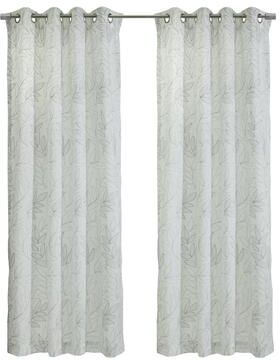
Habitat Valentina Sheer Grommet Curtain PanelThis sheer curtain is the ideal decorative touch for any space. It drapes flawlessly with its embroidered tone-on-tone motif and permits daylight to stream into the room, giving a feeling of openness and sophistication.31,53 $*Shipping: 0,00 $Secure redirect to the provider
-
Habitat Regina Sheer Grommet Curtain PanelElevate your space with our beautiful grommet curtain featuring a fashionable clipped chevron pattern. Add a touch of modern elegance while allowing natural light to gently filter through, creating a warm and inviting ambiance in any room.40,99 $*Shipping: 0,00 $Secure redirect to the provider
-
Habitat Selina Sheer Grommet Curtain PanelInfuse a fresh vibe into your room using our sheer grommet curtain. This delicate and stylish curtain effectively disperses light due to its sheer faux linen material, producing a gentle, inviting radiance in any space.43,99 $*Shipping: 0,00 $Secure redirect to the provider



-
How do lifespan and habitat influence jellyfish?
Lifespan and habitat play a significant role in influencing jellyfish populations. Different species of jellyfish have varying lifespans, with some living only a few months while others can live for several years. The habitat in which jellyfish reside also impacts their population dynamics, as certain environmental conditions such as temperature, salinity, and food availability can affect their growth and reproduction rates. Additionally, changes in habitat due to human activities, such as pollution and overfishing, can lead to an increase in jellyfish populations in some areas. **
-
How are reptiles adapted to their habitat?
Reptiles are adapted to their habitat in several ways. Some of the key adaptations include: 1. Scales or shells: Reptiles have scales or shells that help protect them from predators and harsh environmental conditions. These structures also help reduce water loss through their skin. 2. Efficient metabolism: Reptiles have a slow metabolism which allows them to survive in environments with limited food resources. They can go for long periods without eating. 3. Behavioral adaptations: Reptiles have developed various behaviors to help them survive in their habitats. For example, some species bask in the sun to regulate their body temperature, while others burrow underground to escape extreme temperatures. 4. Camouflage: Many reptiles have evolved to blend in with their surroundings, making them less visible to predators or prey. 5. Specialized senses: Reptiles have specialized senses such as heat-sensing pits, which help them detect prey or predators in their environment. Overall, these adaptations help reptiles thrive in a wide range of habitats, from deserts to rainforests. **
-
What biotic factors characterize the desert habitat?
Biotic factors in the desert habitat include a variety of plant species that have adapted to the arid conditions, such as cacti, succulents, and drought-resistant shrubs. In addition, desert habitats are home to a diverse range of animal species, including reptiles like snakes and lizards, mammals like coyotes and kangaroo rats, and birds like roadrunners and owls. These biotic factors have evolved to survive in the harsh desert environment, often with specialized adaptations for conserving water and finding food in the sparse landscape. **
-
What is the habitat of Corydoras hastatus?
Corydoras hastatus, also known as the dwarf corydoras or pygmy corydoras, is a small freshwater fish native to South America. It is found in the upper Orinoco and Negro river basins in Brazil and Venezuela. These fish inhabit slow-moving, shallow waters with sandy or muddy substrates, as well as areas with dense vegetation and leaf litter. They prefer well-oxygenated water and are often found in small tributaries, streams, and flooded forest areas. **


What is a habitat for an aquarium?
A habitat for an aquarium is a carefully designed environment that mimics the natural living conditions of the aquatic species being housed. It includes elements such as water quality, temperature, lighting, plants, rocks, and hiding spots to ensure the health and well-being of the fish or other aquatic animals. Creating a suitable habitat is essential for the inhabitants to thrive and exhibit their natural behaviors. Regular maintenance and monitoring of the habitat are also crucial to keep the aquarium ecosystem stable. **
How have crocodiles adapted to their habitat?
Crocodiles have adapted to their habitat in several ways. Their streamlined bodies and webbed feet help them move swiftly through water, making them efficient hunters. Their ability to regulate their body temperature by basking in the sun or cooling off in the water allows them to thrive in a range of environments. Their powerful jaws and sharp teeth are well-suited for catching and consuming prey, making them top predators in their ecosystems. **
Top-Angebote
Products related to Habitat:
-
SAGE Publications An Introduction to Coaching Skills: A Practical GuideTo access the exclusive SAGE Videos, please see the code and instructions on the inside front cover of your textbook. If you have purchased the eBook from Amazon or another online retailer, please visit the book′s online resource site to contact SAGE, and we will assist further. This bestselling book introduces you step-by-step to the key skills needed to become a successful coach. Supported by an Online Resource site with over 70 videos of coaching in action, this practical book will be an invaluable resource for novices and trainee coaches.19,49 £*Shipping: 2,99 £Secure redirect to the provider
-
Penguin/Pan Macmillan Designing Your Life, Radical Candor and Quiet 3 Books Collection Set Personal Development, Leadership, Career Success & Self ImprovementDesigning Your Life, Radical Candor and Quiet 3 Books Collection Set Designing Your Life by Bill Burnett & Dave Evans Stanford innovators Bill Burnett and Dave Evans show us how design thinking can help us create a life that is both meaningful and fulfilling, regardless of who and where we are, our careers and our age. Designing Your Life puts forward the idea that the same design thinking responsible for amazing technology, products and spaces can be used to build towards a better life and career by a design of your own making. Radical Candor by Kim Scott Radical Candor by Kim Scott is a groundbreaking leadership and communication guide that teaches how to give feedback effectively, build trust, and create high-performing teams without becoming harsh—or avoiding difficult conversations. Based on Scott’s experience at Google, Apple and Silicon Valley startups, Radical Candor introduces a simple but powerful framework built on two pillars: Care Personally Challenge Directly The book provides practical tools for giving honest feedback, fostering open communication, strengthening working relationships, and becoming a more compassionate and impactful leader. Quiet by Susan Cain Quiet, the Sunday Times and New York Times Bestseller by Susan Cain, will permanently change how we see introverts - and how you see yourself. Our lives are driven by a fact most of us cant name and dont understand: whether were an introvert or an extrovert. This defines who our friends and lovers are, which careers we choose, and whether we blush when were embarrassed. At least a third of us are on the introverted side. Some of the worlds most talented people are introverts. Without them, we wouldnt have the Apple computer, the theory of relativity and Van Goghs sunflowers.16,99 £*Shipping: 2,99 £Secure redirect to the provider
-
Habitat Boucle Sheer Grommet Curtain PanelThis Sheer Curtain is the perfect accent for any room. It is detailed with a delicate boucle-like raised slub texture, which drapes flawlessly and allows natural light to flow through the room creating a sense of airiness and elegance.33,49 $*Shipping: 0,00 $Secure redirect to the provider
-
Habitat Valentina Sheer Grommet Curtain PanelThis sheer curtain is the ideal decorative touch for any space. It drapes flawlessly with its embroidered tone-on-tone motif and permits daylight to stream into the room, giving a feeling of openness and sophistication.31,53 $*Shipping: 0,00 $Secure redirect to the provider
-
What does food habitat mean?
Food habitat refers to the specific environment or area where an organism can find the food it needs to survive and thrive. It includes the types of food available, the accessibility of the food source, and the interactions between different species competing for the same resources. Understanding the food habitat of an organism is crucial for conservation efforts and ecosystem management, as it helps in predicting how changes in food availability can impact the population dynamics of species. **
-
What habitat is the sandy seabed?
The sandy seabed is a habitat found in shallow coastal waters and the deep ocean. It is characterized by a bottom covered in sand particles, with little to no vegetation or coral reefs. This habitat is home to a variety of marine organisms such as sand dollars, flatfish, and certain species of sharks and rays. The sandy seabed provides a substrate for burrowing animals and is an important feeding ground for many species of fish. **
-
How do lifespan and habitat influence jellyfish?
Lifespan and habitat play a significant role in influencing jellyfish populations. Different species of jellyfish have varying lifespans, with some living only a few months while others can live for several years. The habitat in which jellyfish reside also impacts their population dynamics, as certain environmental conditions such as temperature, salinity, and food availability can affect their growth and reproduction rates. Additionally, changes in habitat due to human activities, such as pollution and overfishing, can lead to an increase in jellyfish populations in some areas. **
-
How are reptiles adapted to their habitat?
Reptiles are adapted to their habitat in several ways. Some of the key adaptations include: 1. Scales or shells: Reptiles have scales or shells that help protect them from predators and harsh environmental conditions. These structures also help reduce water loss through their skin. 2. Efficient metabolism: Reptiles have a slow metabolism which allows them to survive in environments with limited food resources. They can go for long periods without eating. 3. Behavioral adaptations: Reptiles have developed various behaviors to help them survive in their habitats. For example, some species bask in the sun to regulate their body temperature, while others burrow underground to escape extreme temperatures. 4. Camouflage: Many reptiles have evolved to blend in with their surroundings, making them less visible to predators or prey. 5. Specialized senses: Reptiles have specialized senses such as heat-sensing pits, which help them detect prey or predators in their environment. Overall, these adaptations help reptiles thrive in a wide range of habitats, from deserts to rainforests. **
Similar search terms for Habitat
-
Habitat Regina Sheer Grommet Curtain PanelElevate your space with our beautiful grommet curtain featuring a fashionable clipped chevron pattern. Add a touch of modern elegance while allowing natural light to gently filter through, creating a warm and inviting ambiance in any room.40,99 $*Shipping: 0,00 $Secure redirect to the provider
-
Habitat Selina Sheer Grommet Curtain PanelInfuse a fresh vibe into your room using our sheer grommet curtain. This delicate and stylish curtain effectively disperses light due to its sheer faux linen material, producing a gentle, inviting radiance in any space.43,99 $*Shipping: 0,00 $Secure redirect to the provider
-
Thorsons Ultralearning: Accelerate Your Career, Master Hard Skills and Outsmart the CompetitionFuture-proof your career and maximize your competitive advantage by learning the skill necessary to stay relevant, reinvent yourself, and adapt to whatever the workplace throws your way in this essential guide. Faced with tumultuous economic times and rapid technological change, staying ahead in your career depends on continual learning―a lifelong mastery of new ideas, subjects, and skills. If you want to accomplish more and stand apart from everyone else, you need to become an ultralearner. Scott Young incorporates the latest research about the most effective learning methods and the stories of other ultralearners like himself―among them Ben Franklin, Judit Polgar, and Richard Feynman, as well as a host of others, such as little-known modern polymaths like Nigel Richards who won the World Championship of French Scrabble―without knowing French. Young documents the methods he and others have used and shows that, far from being an obscure skill limited to aggressive autodidacts, ultralearning is a powerful tool anyone can use to improve their career, studies, and life. Ultralearning explores this fascinating subculture, shares the nine principles behind every successful ultralearning project, and offers insights into how you can organize and execute a plan to learn anything deeply and quickly, without teachers or budget-busting tuition costs. Whether the goal is to be fluent in a language (or ten languages), earn the equivalent of a college degree in a fraction of the time, or master multiple skills to build a product or business from the ground up, the principles in Ultralearning will guide you to success.8,99 £*Shipping: 2,99 £Secure redirect to the provider
-
Habitat Botanica Light Filtering Grommet Curtain PanelCrafted with a botanical-inspired jacquard pattern, this curtain adds a touch of luxury and sophistication to any room. By bringing the beauty of nature indoors, it creates a serene ambiance.27,98 $*Shipping: 0,00 $Secure redirect to the provider
-
What biotic factors characterize the desert habitat?
Biotic factors in the desert habitat include a variety of plant species that have adapted to the arid conditions, such as cacti, succulents, and drought-resistant shrubs. In addition, desert habitats are home to a diverse range of animal species, including reptiles like snakes and lizards, mammals like coyotes and kangaroo rats, and birds like roadrunners and owls. These biotic factors have evolved to survive in the harsh desert environment, often with specialized adaptations for conserving water and finding food in the sparse landscape. **
-
What is the habitat of Corydoras hastatus?
Corydoras hastatus, also known as the dwarf corydoras or pygmy corydoras, is a small freshwater fish native to South America. It is found in the upper Orinoco and Negro river basins in Brazil and Venezuela. These fish inhabit slow-moving, shallow waters with sandy or muddy substrates, as well as areas with dense vegetation and leaf litter. They prefer well-oxygenated water and are often found in small tributaries, streams, and flooded forest areas. **
-
What is a habitat for an aquarium?
A habitat for an aquarium is a carefully designed environment that mimics the natural living conditions of the aquatic species being housed. It includes elements such as water quality, temperature, lighting, plants, rocks, and hiding spots to ensure the health and well-being of the fish or other aquatic animals. Creating a suitable habitat is essential for the inhabitants to thrive and exhibit their natural behaviors. Regular maintenance and monitoring of the habitat are also crucial to keep the aquarium ecosystem stable. **
-
How have crocodiles adapted to their habitat?
Crocodiles have adapted to their habitat in several ways. Their streamlined bodies and webbed feet help them move swiftly through water, making them efficient hunters. Their ability to regulate their body temperature by basking in the sun or cooling off in the water allows them to thrive in a range of environments. Their powerful jaws and sharp teeth are well-suited for catching and consuming prey, making them top predators in their ecosystems. **
* All prices are inclusive of VAT and, if applicable, plus shipping costs. The offer information is based on the details provided by the respective shop and is updated through automated processes. Real-time updates do not occur, so deviations can occur in individual cases. ** Note: Parts of this content were created by AI.