Buy jobcoach.eu ?
We are moving the project
jobcoach.eu .
Are you interested in purchasing the domain
jobcoach.eu ?
domain@kv-gmbh.de · 0541-91531010
Buy jobcoach.eu ?
Does Brexit bring success to the economy?
The impact of Brexit on the economy is still uncertain as it is an ongoing process. While some argue that Brexit could bring success to the economy by allowing the UK to have more control over its trade policies and regulations, others believe that the economic consequences of leaving the EU could be negative in the short term due to disruptions in trade and investment. The long-term success of the economy post-Brexit will depend on the UK's ability to negotiate favorable trade deals, attract foreign investment, and adapt to the new economic landscape. **
Free market economy or planned economy?
The choice between a free market economy and a planned economy depends on the specific goals and values of a society. A free market economy allows for individual freedom and competition, which can lead to innovation and efficiency. However, it can also result in inequality and lack of regulation. On the other hand, a planned economy allows for more control and distribution of resources, but it can stifle individual initiative and innovation. Ultimately, the decision between the two depends on the balance a society seeks between individual freedom and social equality. **
Similar search terms for Economy
Top-Angebote
Products related to Economy:
-
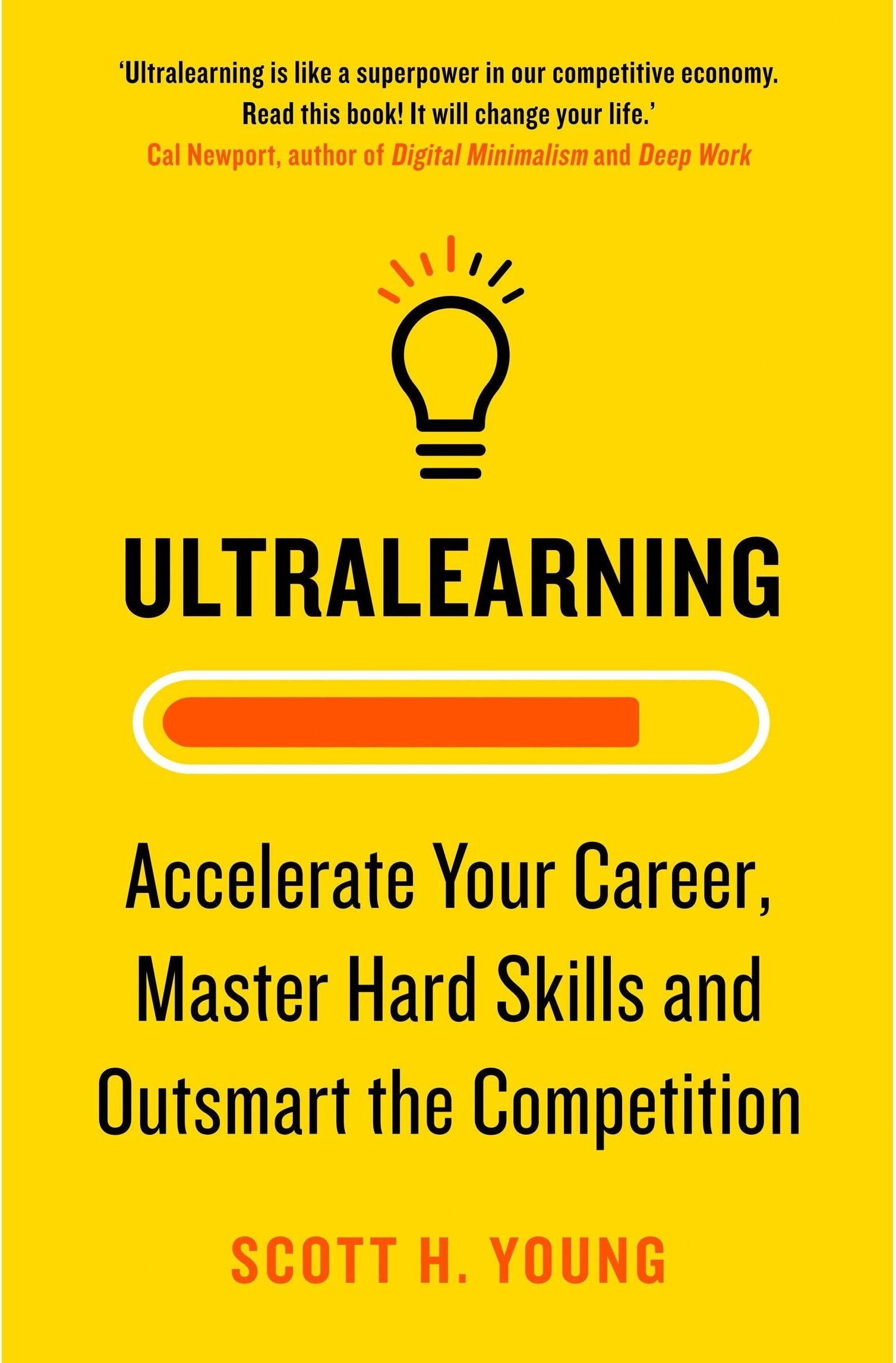
Thorsons Ultralearning: Accelerate Your Career, Master Hard Skills and Outsmart the CompetitionFuture-proof your career and maximize your competitive advantage by learning the skill necessary to stay relevant, reinvent yourself, and adapt to whatever the workplace throws your way in this essential guide. Faced with tumultuous economic times and rapid technological change, staying ahead in your career depends on continual learning―a lifelong mastery of new ideas, subjects, and skills. If you want to accomplish more and stand apart from everyone else, you need to become an ultralearner. Scott Young incorporates the latest research about the most effective learning methods and the stories of other ultralearners like himself―among them Ben Franklin, Judit Polgar, and Richard Feynman, as well as a host of others, such as little-known modern polymaths like Nigel Richards who won the World Championship of French Scrabble―without knowing French. Young documents the methods he and others have used and shows that, far from being an obscure skill limited to aggressive autodidacts, ultralearning is a powerful tool anyone can use to improve their career, studies, and life. Ultralearning explores this fascinating subculture, shares the nine principles behind every successful ultralearning project, and offers insights into how you can organize and execute a plan to learn anything deeply and quickly, without teachers or budget-busting tuition costs. Whether the goal is to be fluent in a language (or ten languages), earn the equivalent of a college degree in a fraction of the time, or master multiple skills to build a product or business from the ground up, the principles in Ultralearning will guide you to success.8,99 £*Shipping: 2,99 £Secure redirect to the provider



-
Why market economy and not planned economy?
A market economy is preferred over a planned economy because it allows for individual freedom and choice in economic decision-making. In a market economy, prices are determined by supply and demand, leading to efficient allocation of resources. Additionally, competition in a market economy encourages innovation and productivity, driving economic growth. On the other hand, a planned economy, where the government controls production and distribution, can lead to inefficiencies, lack of innovation, and limited consumer choice. **
-
Why is Germany's transition to a service-based economy a success?
Germany's transition to a service-based economy has been successful due to several factors. Firstly, the country has a strong industrial base and a highly skilled workforce, which has allowed it to maintain a competitive edge in the global market. Additionally, Germany has invested in research and development, leading to the growth of high-value service sectors such as finance, technology, and healthcare. Furthermore, the country's emphasis on innovation and efficiency has enabled it to adapt to the changing global economy and remain a leader in the service industry. Overall, Germany's successful transition to a service-based economy can be attributed to its strong industrial foundation, skilled workforce, and commitment to innovation. **
-
How are planned economy and shortage economy related?
A planned economy is a system in which the government controls and regulates production, distribution, and prices of goods and services. In a planned economy, resources are allocated based on a central plan rather than market forces. A shortage economy occurs when there is a lack of goods and services available for consumers due to factors such as poor planning, inefficiency, or external shocks. In a planned economy, the risk of a shortage economy is higher as the government may not accurately predict or meet the demands of the population, leading to imbalances in supply and demand. **
-
What is the difference between social market economy, free market economy, and planned economy?
A social market economy combines elements of both a free market economy and a planned economy. It allows for private ownership of businesses and resources, while also implementing government regulations to ensure fair competition and social welfare. In contrast, a free market economy relies on minimal government intervention, allowing businesses to operate with little regulation. On the other hand, a planned economy is centrally controlled by the government, with decisions regarding production, distribution, and pricing made by central authorities. **


Is Germany a centrally planned economy, a social market economy, or a free market economy?
Germany is considered a social market economy. This means that while it operates within a free market framework, the government plays a significant role in regulating the economy and providing social welfare programs. The social market economy model aims to balance economic freedom with social responsibility, promoting competition and entrepreneurship while also ensuring social security and a fair distribution of wealth. This approach has been a key factor in Germany's economic success and stability. **
How do planned economy and social market economy differ?
A planned economy is one in which the government controls all aspects of economic production and distribution, including setting prices and determining what goods and services are produced. In contrast, a social market economy is a system in which the government plays a more limited role, allowing for private ownership and competition while also providing social safety nets and regulations to ensure fair competition and protect consumers. In a planned economy, the government has a central role in decision-making, while in a social market economy, the market plays a more significant role, with government intervention focused on ensuring fairness and social welfare. **
Top-Angebote
Products related to Economy:
-
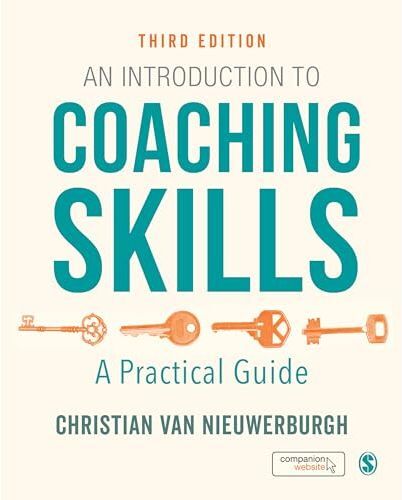
SAGE Publications An Introduction to Coaching Skills: A Practical GuideTo access the exclusive SAGE Videos, please see the code and instructions on the inside front cover of your textbook. If you have purchased the eBook from Amazon or another online retailer, please visit the book′s online resource site to contact SAGE, and we will assist further. This bestselling book introduces you step-by-step to the key skills needed to become a successful coach. Supported by an Online Resource site with over 70 videos of coaching in action, this practical book will be an invaluable resource for novices and trainee coaches.19,49 £*Shipping: 2,99 £Secure redirect to the provider
-
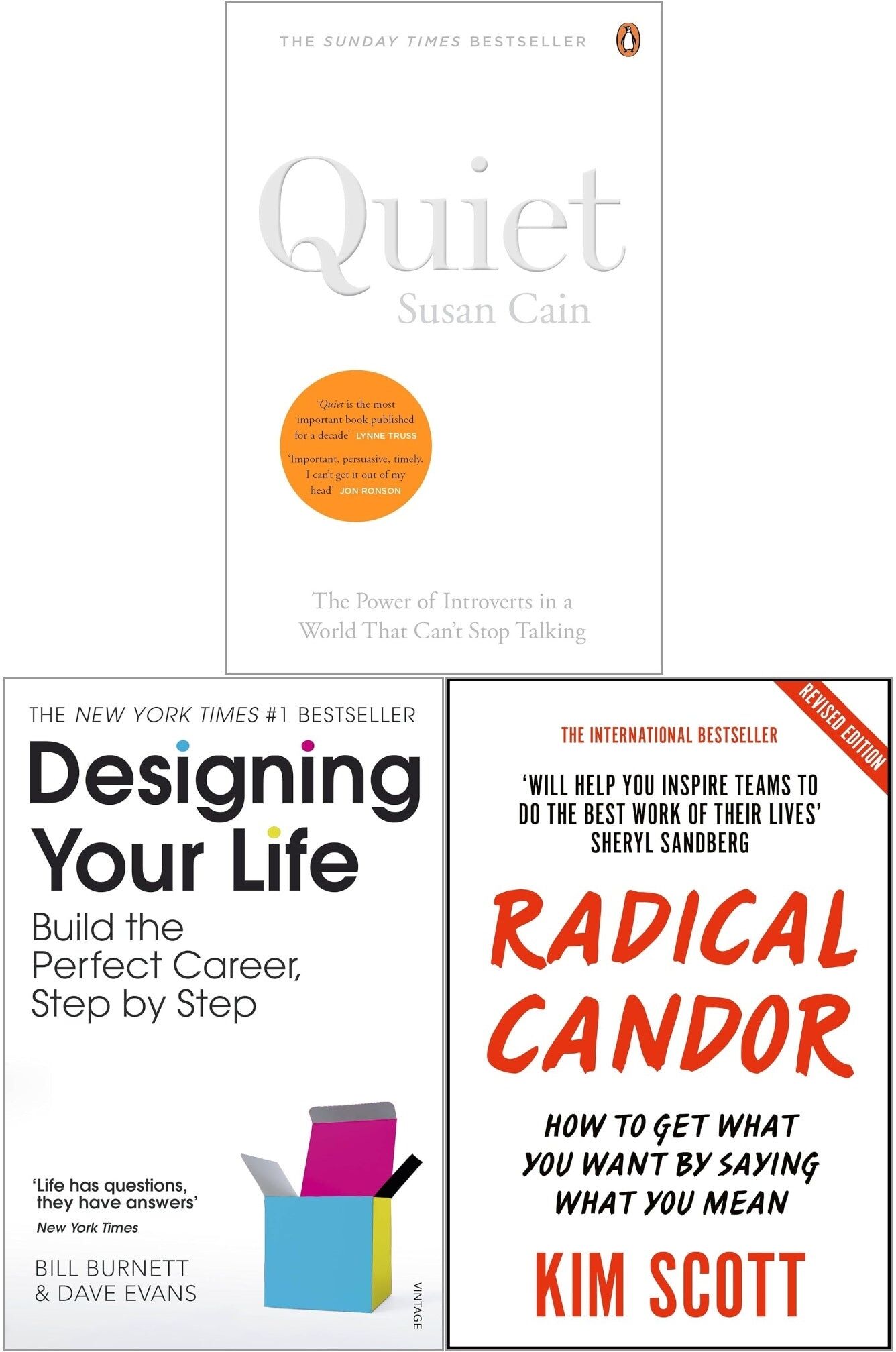
Penguin/Pan Macmillan Designing Your Life, Radical Candor and Quiet 3 Books Collection Set Personal Development, Leadership, Career Success & Self ImprovementDesigning Your Life, Radical Candor and Quiet 3 Books Collection Set Designing Your Life by Bill Burnett & Dave Evans Stanford innovators Bill Burnett and Dave Evans show us how design thinking can help us create a life that is both meaningful and fulfilling, regardless of who and where we are, our careers and our age. Designing Your Life puts forward the idea that the same design thinking responsible for amazing technology, products and spaces can be used to build towards a better life and career by a design of your own making. Radical Candor by Kim Scott Radical Candor by Kim Scott is a groundbreaking leadership and communication guide that teaches how to give feedback effectively, build trust, and create high-performing teams without becoming harsh—or avoiding difficult conversations. Based on Scott’s experience at Google, Apple and Silicon Valley startups, Radical Candor introduces a simple but powerful framework built on two pillars: Care Personally Challenge Directly The book provides practical tools for giving honest feedback, fostering open communication, strengthening working relationships, and becoming a more compassionate and impactful leader. Quiet by Susan Cain Quiet, the Sunday Times and New York Times Bestseller by Susan Cain, will permanently change how we see introverts - and how you see yourself. Our lives are driven by a fact most of us cant name and dont understand: whether were an introvert or an extrovert. This defines who our friends and lovers are, which careers we choose, and whether we blush when were embarrassed. At least a third of us are on the introverted side. Some of the worlds most talented people are introverts. Without them, we wouldnt have the Apple computer, the theory of relativity and Van Goghs sunflowers.16,99 £*Shipping: 2,99 £Secure redirect to the provider
-
Thorsons Ultralearning: Accelerate Your Career, Master Hard Skills and Outsmart the CompetitionFuture-proof your career and maximize your competitive advantage by learning the skill necessary to stay relevant, reinvent yourself, and adapt to whatever the workplace throws your way in this essential guide. Faced with tumultuous economic times and rapid technological change, staying ahead in your career depends on continual learning―a lifelong mastery of new ideas, subjects, and skills. If you want to accomplish more and stand apart from everyone else, you need to become an ultralearner. Scott Young incorporates the latest research about the most effective learning methods and the stories of other ultralearners like himself―among them Ben Franklin, Judit Polgar, and Richard Feynman, as well as a host of others, such as little-known modern polymaths like Nigel Richards who won the World Championship of French Scrabble―without knowing French. Young documents the methods he and others have used and shows that, far from being an obscure skill limited to aggressive autodidacts, ultralearning is a powerful tool anyone can use to improve their career, studies, and life. Ultralearning explores this fascinating subculture, shares the nine principles behind every successful ultralearning project, and offers insights into how you can organize and execute a plan to learn anything deeply and quickly, without teachers or budget-busting tuition costs. Whether the goal is to be fluent in a language (or ten languages), earn the equivalent of a college degree in a fraction of the time, or master multiple skills to build a product or business from the ground up, the principles in Ultralearning will guide you to success.8,99 £*Shipping: 2,99 £Secure redirect to the provider
-
Does Brexit bring success to the economy?
The impact of Brexit on the economy is still uncertain as it is an ongoing process. While some argue that Brexit could bring success to the economy by allowing the UK to have more control over its trade policies and regulations, others believe that the economic consequences of leaving the EU could be negative in the short term due to disruptions in trade and investment. The long-term success of the economy post-Brexit will depend on the UK's ability to negotiate favorable trade deals, attract foreign investment, and adapt to the new economic landscape. **
-
Free market economy or planned economy?
The choice between a free market economy and a planned economy depends on the specific goals and values of a society. A free market economy allows for individual freedom and competition, which can lead to innovation and efficiency. However, it can also result in inequality and lack of regulation. On the other hand, a planned economy allows for more control and distribution of resources, but it can stifle individual initiative and innovation. Ultimately, the decision between the two depends on the balance a society seeks between individual freedom and social equality. **
-
Why market economy and not planned economy?
A market economy is preferred over a planned economy because it allows for individual freedom and choice in economic decision-making. In a market economy, prices are determined by supply and demand, leading to efficient allocation of resources. Additionally, competition in a market economy encourages innovation and productivity, driving economic growth. On the other hand, a planned economy, where the government controls production and distribution, can lead to inefficiencies, lack of innovation, and limited consumer choice. **
-
Why is Germany's transition to a service-based economy a success?
Germany's transition to a service-based economy has been successful due to several factors. Firstly, the country has a strong industrial base and a highly skilled workforce, which has allowed it to maintain a competitive edge in the global market. Additionally, Germany has invested in research and development, leading to the growth of high-value service sectors such as finance, technology, and healthcare. Furthermore, the country's emphasis on innovation and efficiency has enabled it to adapt to the changing global economy and remain a leader in the service industry. Overall, Germany's successful transition to a service-based economy can be attributed to its strong industrial foundation, skilled workforce, and commitment to innovation. **
Similar search terms for Economy
-
How are planned economy and shortage economy related?
A planned economy is a system in which the government controls and regulates production, distribution, and prices of goods and services. In a planned economy, resources are allocated based on a central plan rather than market forces. A shortage economy occurs when there is a lack of goods and services available for consumers due to factors such as poor planning, inefficiency, or external shocks. In a planned economy, the risk of a shortage economy is higher as the government may not accurately predict or meet the demands of the population, leading to imbalances in supply and demand. **
-
What is the difference between social market economy, free market economy, and planned economy?
A social market economy combines elements of both a free market economy and a planned economy. It allows for private ownership of businesses and resources, while also implementing government regulations to ensure fair competition and social welfare. In contrast, a free market economy relies on minimal government intervention, allowing businesses to operate with little regulation. On the other hand, a planned economy is centrally controlled by the government, with decisions regarding production, distribution, and pricing made by central authorities. **
-
Is Germany a centrally planned economy, a social market economy, or a free market economy?
Germany is considered a social market economy. This means that while it operates within a free market framework, the government plays a significant role in regulating the economy and providing social welfare programs. The social market economy model aims to balance economic freedom with social responsibility, promoting competition and entrepreneurship while also ensuring social security and a fair distribution of wealth. This approach has been a key factor in Germany's economic success and stability. **
-
How do planned economy and social market economy differ?
A planned economy is one in which the government controls all aspects of economic production and distribution, including setting prices and determining what goods and services are produced. In contrast, a social market economy is a system in which the government plays a more limited role, allowing for private ownership and competition while also providing social safety nets and regulations to ensure fair competition and protect consumers. In a planned economy, the government has a central role in decision-making, while in a social market economy, the market plays a more significant role, with government intervention focused on ensuring fairness and social welfare. **
* All prices are inclusive of VAT and, if applicable, plus shipping costs. The offer information is based on the details provided by the respective shop and is updated through automated processes. Real-time updates do not occur, so deviations can occur in individual cases. ** Note: Parts of this content were created by AI.