Buy jobcoach.eu ?
We are moving the project
jobcoach.eu .
Are you interested in purchasing the domain
jobcoach.eu ?
domain@kv-gmbh.de · 0541-91531010
Buy jobcoach.eu ?
How do people flee?
People flee in various ways depending on the circumstances. In times of conflict or persecution, people may flee on foot, by car, or by boat to seek safety in another country. In natural disasters, people may evacuate their homes and seek refuge in designated shelters or with family and friends in safer areas. Some people may also flee due to economic hardship or lack of opportunities, moving to other regions or countries in search of a better life. Overall, fleeing often involves leaving behind one's home and belongings in search of safety, security, and a better future. **
Why did Socrates not flee?
Socrates did not flee because he believed in the importance of upholding the laws of the city, even if he disagreed with them. He felt that by fleeing, he would be undermining the legal system and the principles of justice that he valued. Additionally, Socrates believed that facing his accusers and accepting his fate would be a way to demonstrate his commitment to his philosophical beliefs, even in the face of death. **
Similar search terms for Flee
Top-Angebote
Products related to Flee:
-
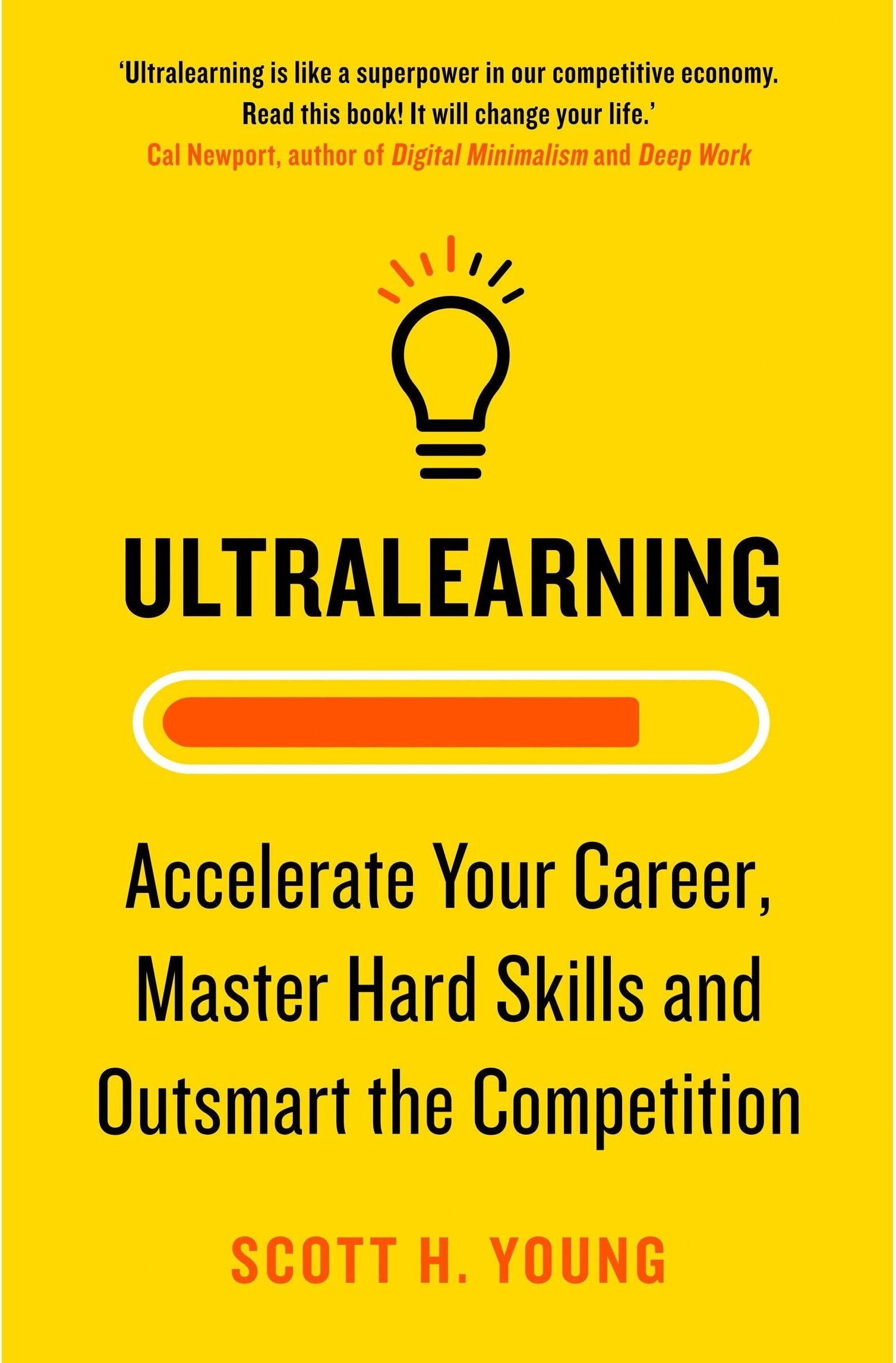
Thorsons Ultralearning: Accelerate Your Career, Master Hard Skills and Outsmart the CompetitionFuture-proof your career and maximize your competitive advantage by learning the skill necessary to stay relevant, reinvent yourself, and adapt to whatever the workplace throws your way in this essential guide. Faced with tumultuous economic times and rapid technological change, staying ahead in your career depends on continual learning―a lifelong mastery of new ideas, subjects, and skills. If you want to accomplish more and stand apart from everyone else, you need to become an ultralearner. Scott Young incorporates the latest research about the most effective learning methods and the stories of other ultralearners like himself―among them Ben Franklin, Judit Polgar, and Richard Feynman, as well as a host of others, such as little-known modern polymaths like Nigel Richards who won the World Championship of French Scrabble―without knowing French. Young documents the methods he and others have used and shows that, far from being an obscure skill limited to aggressive autodidacts, ultralearning is a powerful tool anyone can use to improve their career, studies, and life. Ultralearning explores this fascinating subculture, shares the nine principles behind every successful ultralearning project, and offers insights into how you can organize and execute a plan to learn anything deeply and quickly, without teachers or budget-busting tuition costs. Whether the goal is to be fluent in a language (or ten languages), earn the equivalent of a college degree in a fraction of the time, or master multiple skills to build a product or business from the ground up, the principles in Ultralearning will guide you to success.8,99 £*Shipping: 2,99 £Secure redirect to the provider
-
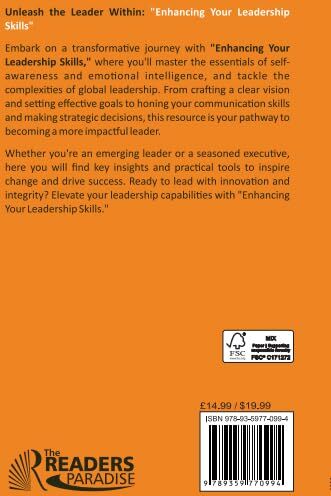
The Readers Paradise Enhancing Your Leadership Skills: A Practical Handbook for Success by Prof. V.K.Simon - Non Fiction Paperback - Leadership & Professional DevelopmentEnhance your leadership skills with this practical handbook by Prof. V.K.Simon. Written for anyone looking to lead with confidence and clarity, it blends self-awareness, emotional intelligence, and real-world strategy to help you achieve success. Whether you're a first-time manager or a seasoned executive, this compact guide delivers tools to strengthen decision-making, communication, and team impact in a fast-changing global workplace. It's built around the idea that great leadership is learned through practice, not theory alone, and covers the core competencies every effective leader needs, starting with self-awareness and emotional intelligence.2,99 £*Shipping: 2,99 £Secure redirect to the provider
-
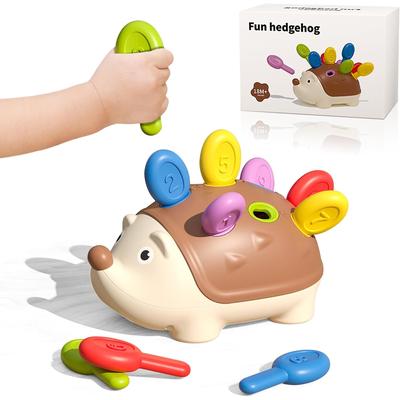
Playful Picks Montessori Hedgehog Color Sorting Educational Toddler Toy For Fine Motor Skills Development Montessori Hedgehog Color Sorting Educational Toddler Toy For Fine Motor Skills DevelopmentTurn early learning into a joyful daily adventure with a toy designed to spark curiosity and growth. The Montessori hedgehog toy is thoughtfully created for toddlers aged 13, helping them explore colors, counting, and coordination through handson...24,97 $*Shipping: 0,00 $Secure redirect to the provider
-
Tiny Tots Teens Trends Montessori Educational Toy, Hedgehog Fine Motor Skills, Toddler Counting, Sensory Development Montessori Educational Toy, Hedgehog Fine Motor Skills, Toddler Counting, Sensory DevelopmentHedgehog Montessori Educational Toy is a delightful and engaging learning tool designed to help toddlers develop essential fine motor skills, improve their concentration, and enhance sensory development. This toy promotes handson learning through...59,97 $*Shipping: 0,00 $Secure redirect to the provider

-
Where would Germans flee to?
During World War II, Germans fleeing from the advancing Allied forces would often seek refuge in neighboring countries such as Switzerland, Sweden, and Spain. These countries were seen as neutral and offered a safe haven for those seeking to escape the conflict. Additionally, some Germans fled to South America, particularly Argentina and Brazil, where they could start a new life away from the war-torn regions of Europe. **
-
How does the rat flee?
The rat flees by scurrying quickly and darting away from the perceived threat. It uses its agile body and sharp reflexes to navigate through tight spaces and obstacles, making it difficult for predators to catch. The rat may also use its keen sense of smell and hearing to detect danger and find an escape route. Overall, the rat's ability to move swiftly and adapt to its environment allows it to flee from potential danger effectively. **
-
Where could a German flee to?
During World War II, Germans fleeing persecution or seeking refuge could have fled to neutral countries such as Switzerland, Sweden, or Spain. These countries were not directly involved in the war and offered some level of safety for those seeking asylum. Additionally, some Germans may have tried to escape to countries like the United States or Canada, although entry requirements were often strict. Ultimately, the options for fleeing Germany during this time were limited and challenging. **
-
Why do people flee during conflicts?
People flee during conflicts for various reasons, including fear for their safety, the threat of violence or persecution, and the desire to protect themselves and their families. Additionally, the destruction of homes, infrastructure, and livelihoods during conflicts can also force people to flee in search of safety and stability. The lack of access to basic necessities such as food, water, and healthcare in conflict-affected areas can further drive people to seek refuge in safer locations. **

"Through which visit would you flee?"
I would flee through a visit to a remote and peaceful natural setting, such as a secluded beach or a tranquil forest. Being surrounded by the beauty and serenity of nature would provide a sense of escape and rejuvenation from the stresses of everyday life. The opportunity to disconnect from technology and immerse myself in the peacefulness of the natural world would be a welcome retreat. **
Why do people flee from Serbia?
People flee from Serbia for a variety of reasons, including political instability, economic hardship, discrimination, and lack of opportunities. The country has also experienced conflicts and wars in the past, leading to displacement of people. Additionally, some individuals may flee due to persecution, human rights abuses, or fear for their safety. Overall, the reasons for fleeing from Serbia are complex and multifaceted, and vary from person to person. **
Top-Angebote
Products related to Flee:
-
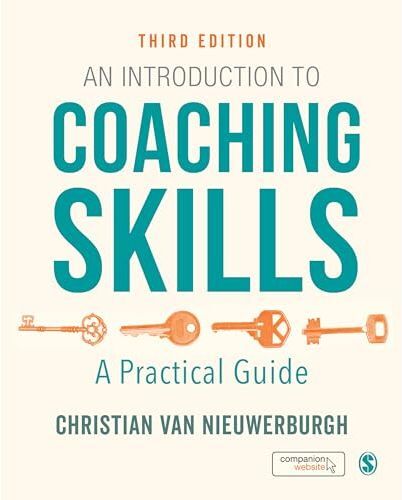
SAGE Publications An Introduction to Coaching Skills: A Practical GuideTo access the exclusive SAGE Videos, please see the code and instructions on the inside front cover of your textbook. If you have purchased the eBook from Amazon or another online retailer, please visit the book′s online resource site to contact SAGE, and we will assist further. This bestselling book introduces you step-by-step to the key skills needed to become a successful coach. Supported by an Online Resource site with over 70 videos of coaching in action, this practical book will be an invaluable resource for novices and trainee coaches.19,49 £*Shipping: 2,99 £Secure redirect to the provider
-
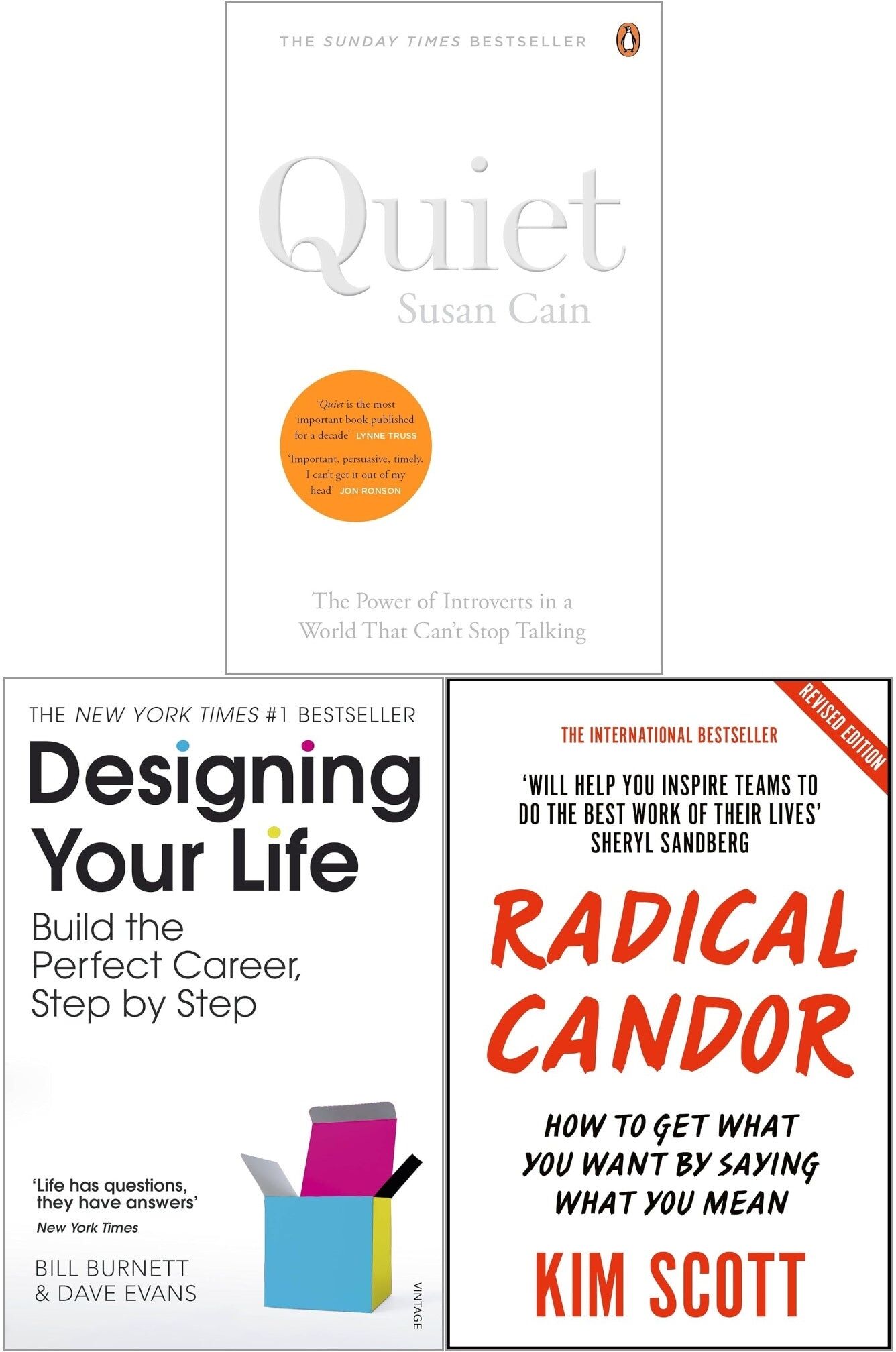
Penguin/Pan Macmillan Designing Your Life, Radical Candor and Quiet 3 Books Collection Set Personal Development, Leadership, Career Success & Self ImprovementDesigning Your Life, Radical Candor and Quiet 3 Books Collection Set Designing Your Life by Bill Burnett & Dave Evans Stanford innovators Bill Burnett and Dave Evans show us how design thinking can help us create a life that is both meaningful and fulfilling, regardless of who and where we are, our careers and our age. Designing Your Life puts forward the idea that the same design thinking responsible for amazing technology, products and spaces can be used to build towards a better life and career by a design of your own making. Radical Candor by Kim Scott Radical Candor by Kim Scott is a groundbreaking leadership and communication guide that teaches how to give feedback effectively, build trust, and create high-performing teams without becoming harsh—or avoiding difficult conversations. Based on Scott’s experience at Google, Apple and Silicon Valley startups, Radical Candor introduces a simple but powerful framework built on two pillars: Care Personally Challenge Directly The book provides practical tools for giving honest feedback, fostering open communication, strengthening working relationships, and becoming a more compassionate and impactful leader. Quiet by Susan Cain Quiet, the Sunday Times and New York Times Bestseller by Susan Cain, will permanently change how we see introverts - and how you see yourself. Our lives are driven by a fact most of us cant name and dont understand: whether were an introvert or an extrovert. This defines who our friends and lovers are, which careers we choose, and whether we blush when were embarrassed. At least a third of us are on the introverted side. Some of the worlds most talented people are introverts. Without them, we wouldnt have the Apple computer, the theory of relativity and Van Goghs sunflowers.16,99 £*Shipping: 2,99 £Secure redirect to the provider
-
Thorsons Ultralearning: Accelerate Your Career, Master Hard Skills and Outsmart the CompetitionFuture-proof your career and maximize your competitive advantage by learning the skill necessary to stay relevant, reinvent yourself, and adapt to whatever the workplace throws your way in this essential guide. Faced with tumultuous economic times and rapid technological change, staying ahead in your career depends on continual learning―a lifelong mastery of new ideas, subjects, and skills. If you want to accomplish more and stand apart from everyone else, you need to become an ultralearner. Scott Young incorporates the latest research about the most effective learning methods and the stories of other ultralearners like himself―among them Ben Franklin, Judit Polgar, and Richard Feynman, as well as a host of others, such as little-known modern polymaths like Nigel Richards who won the World Championship of French Scrabble―without knowing French. Young documents the methods he and others have used and shows that, far from being an obscure skill limited to aggressive autodidacts, ultralearning is a powerful tool anyone can use to improve their career, studies, and life. Ultralearning explores this fascinating subculture, shares the nine principles behind every successful ultralearning project, and offers insights into how you can organize and execute a plan to learn anything deeply and quickly, without teachers or budget-busting tuition costs. Whether the goal is to be fluent in a language (or ten languages), earn the equivalent of a college degree in a fraction of the time, or master multiple skills to build a product or business from the ground up, the principles in Ultralearning will guide you to success.8,99 £*Shipping: 2,99 £Secure redirect to the provider
-
The Readers Paradise Enhancing Your Leadership Skills: A Practical Handbook for Success by Prof. V.K.Simon - Non Fiction Paperback - Leadership & Professional DevelopmentEnhance your leadership skills with this practical handbook by Prof. V.K.Simon. Written for anyone looking to lead with confidence and clarity, it blends self-awareness, emotional intelligence, and real-world strategy to help you achieve success. Whether you're a first-time manager or a seasoned executive, this compact guide delivers tools to strengthen decision-making, communication, and team impact in a fast-changing global workplace. It's built around the idea that great leadership is learned through practice, not theory alone, and covers the core competencies every effective leader needs, starting with self-awareness and emotional intelligence.2,99 £*Shipping: 2,99 £Secure redirect to the provider
-
How do people flee?
People flee in various ways depending on the circumstances. In times of conflict or persecution, people may flee on foot, by car, or by boat to seek safety in another country. In natural disasters, people may evacuate their homes and seek refuge in designated shelters or with family and friends in safer areas. Some people may also flee due to economic hardship or lack of opportunities, moving to other regions or countries in search of a better life. Overall, fleeing often involves leaving behind one's home and belongings in search of safety, security, and a better future. **
-
Why did Socrates not flee?
Socrates did not flee because he believed in the importance of upholding the laws of the city, even if he disagreed with them. He felt that by fleeing, he would be undermining the legal system and the principles of justice that he valued. Additionally, Socrates believed that facing his accusers and accepting his fate would be a way to demonstrate his commitment to his philosophical beliefs, even in the face of death. **
-
Where would Germans flee to?
During World War II, Germans fleeing from the advancing Allied forces would often seek refuge in neighboring countries such as Switzerland, Sweden, and Spain. These countries were seen as neutral and offered a safe haven for those seeking to escape the conflict. Additionally, some Germans fled to South America, particularly Argentina and Brazil, where they could start a new life away from the war-torn regions of Europe. **
-
How does the rat flee?
The rat flees by scurrying quickly and darting away from the perceived threat. It uses its agile body and sharp reflexes to navigate through tight spaces and obstacles, making it difficult for predators to catch. The rat may also use its keen sense of smell and hearing to detect danger and find an escape route. Overall, the rat's ability to move swiftly and adapt to its environment allows it to flee from potential danger effectively. **
Similar search terms for Flee
-
Playful Picks Montessori Hedgehog Color Sorting Educational Toddler Toy For Fine Motor Skills Development Montessori Hedgehog Color Sorting Educational Toddler Toy For Fine Motor Skills DevelopmentTurn early learning into a joyful daily adventure with a toy designed to spark curiosity and growth. The Montessori hedgehog toy is thoughtfully created for toddlers aged 13, helping them explore colors, counting, and coordination through handson...24,97 $*Shipping: 0,00 $Secure redirect to the provider
-
Tiny Tots Teens Trends Montessori Educational Toy, Hedgehog Fine Motor Skills, Toddler Counting, Sensory Development Montessori Educational Toy, Hedgehog Fine Motor Skills, Toddler Counting, Sensory DevelopmentHedgehog Montessori Educational Toy is a delightful and engaging learning tool designed to help toddlers develop essential fine motor skills, improve their concentration, and enhance sensory development. This toy promotes handson learning through...59,97 $*Shipping: 0,00 $Secure redirect to the provider
-
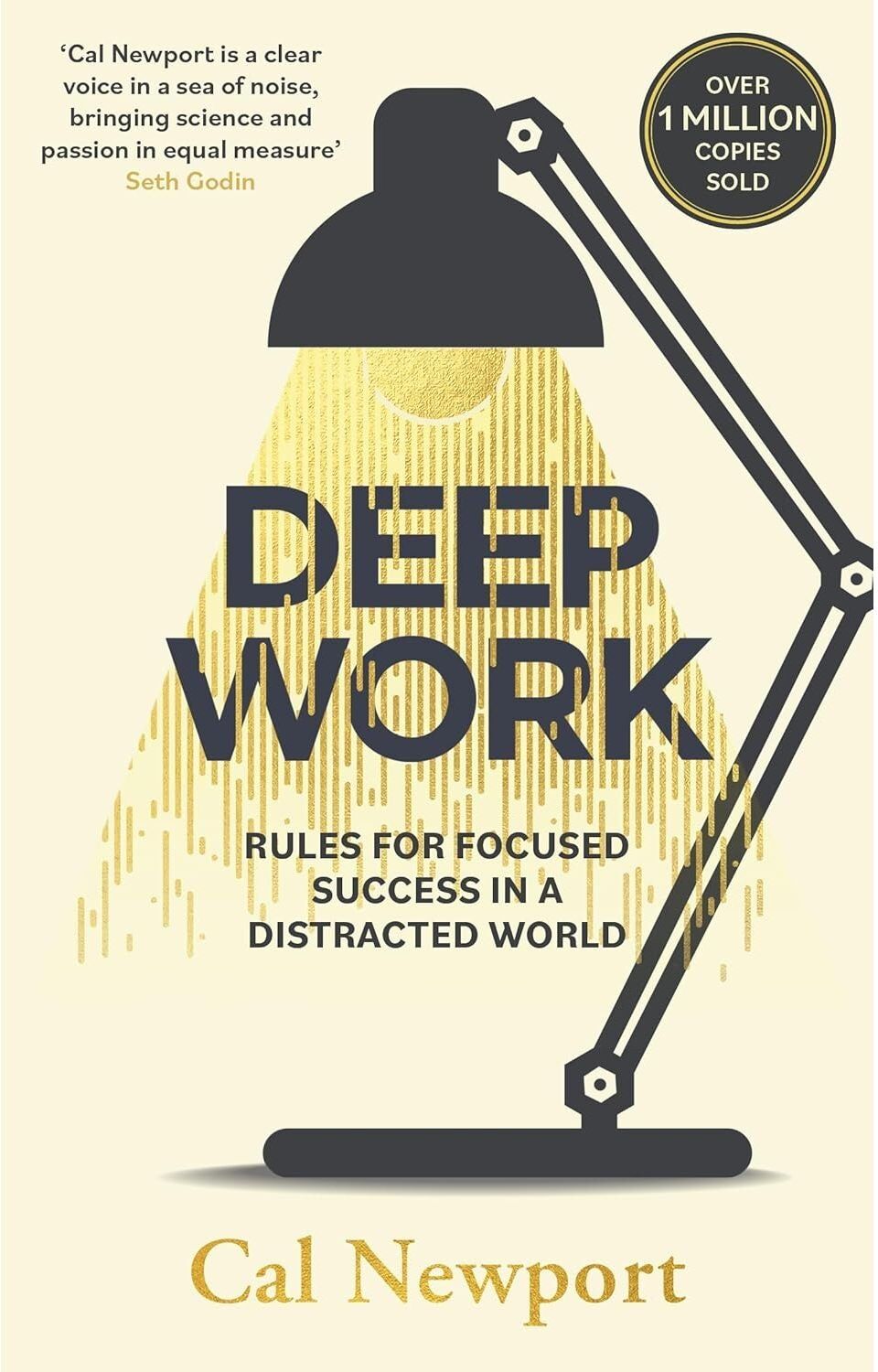
Piatkus Deep Work – Rules for Focused Success in a Distracted World by Cal Newport Productivity, Focus & Career Success BookIn a world full of distractions, the ability to focus deeply is becoming increasingly rare—and increasingly valuable. In Deep Work: Rules for Focused Success in a Distracted World, bestselling author and productivity expert Cal Newport explains why deep, concentrated work is the key to mastering complex skills, producing high-quality results, and standing out in your career. Drawing on neuroscience, psychology, and real-world examples, Newport shows how to eliminate distractions, train your focus, and work with intense concentration. The book combines compelling theory with practical strategies, helping readers build habits that support sustained attention and meaningful productivity in both professional and personal life. What You’ll Learn: Why deep work is essential for success in the modern economy How shallow work undermines productivity and focus Practical rules for building deep work habits Techniques to minimize distractions and digital overload How to produce better results in less time Perfect for professionals, students, creatives, and entrepreneurs, Deep Work is a must-read guide to achieving focus, efficiency, and long-term career success.7,99 £*Shipping: 2,99 £Secure redirect to the provider
-
Learning Resources All About Me Family Counters Set of 72 - 72 Colorful Counters for Early Math Skills and Social Skills DevelopmentIntroducing the Learning Resources All About Me Family Counters Set of 72, a fun and educational tool designed to spark imagination and creativity in young learners. This vibrant set features a delightful array of family members, including parents, grandparents, and children, ideal for counting, sorting, and imaginative play. The set includes 72 colorful counters that are perfectly sized for little hands, making learning engaging and fun. The counters promote early math skills by encouraging counting, patterning, and sorting through playful activities. They also help develop social skills by fostering conversations about family dynamics and relationships. The All About Me Family Counters are suitable for a variety of settings, including home play, classroom activities, and birthday gifts. They are a great addition to any toy collection.20,89 £*Shipping: 1,99 £Secure redirect to the provider
-
Where could a German flee to?
During World War II, Germans fleeing persecution or seeking refuge could have fled to neutral countries such as Switzerland, Sweden, or Spain. These countries were not directly involved in the war and offered some level of safety for those seeking asylum. Additionally, some Germans may have tried to escape to countries like the United States or Canada, although entry requirements were often strict. Ultimately, the options for fleeing Germany during this time were limited and challenging. **
-
Why do people flee during conflicts?
People flee during conflicts for various reasons, including fear for their safety, the threat of violence or persecution, and the desire to protect themselves and their families. Additionally, the destruction of homes, infrastructure, and livelihoods during conflicts can also force people to flee in search of safety and stability. The lack of access to basic necessities such as food, water, and healthcare in conflict-affected areas can further drive people to seek refuge in safer locations. **
-
"Through which visit would you flee?"
I would flee through a visit to a remote and peaceful natural setting, such as a secluded beach or a tranquil forest. Being surrounded by the beauty and serenity of nature would provide a sense of escape and rejuvenation from the stresses of everyday life. The opportunity to disconnect from technology and immerse myself in the peacefulness of the natural world would be a welcome retreat. **
-
Why do people flee from Serbia?
People flee from Serbia for a variety of reasons, including political instability, economic hardship, discrimination, and lack of opportunities. The country has also experienced conflicts and wars in the past, leading to displacement of people. Additionally, some individuals may flee due to persecution, human rights abuses, or fear for their safety. Overall, the reasons for fleeing from Serbia are complex and multifaceted, and vary from person to person. **
* All prices are inclusive of VAT and, if applicable, plus shipping costs. The offer information is based on the details provided by the respective shop and is updated through automated processes. Real-time updates do not occur, so deviations can occur in individual cases. ** Note: Parts of this content were created by AI.